Understanding EVI Heat Pump Manufacturer Technology: Performance and Efficiency Explained
- Share
- Issue Time
- Dec 30,2025
Summary
Heat pumps with Enhanced Vapor Injection (EVI) technology are revolutionizing heating and cooling, particularly in cold climates where traditional heat pumps lose efficiency. EVI technology significantly boosts a heat pump's ability to operate efficiently in low ambient temperatures, even as low as -25°C or -30°C. This is achieved by injecting refrigerant vapor mid-cycle, which maintains a higher Coefficient of Performance (COP) and allows the system to produce more heat energy for every unit of
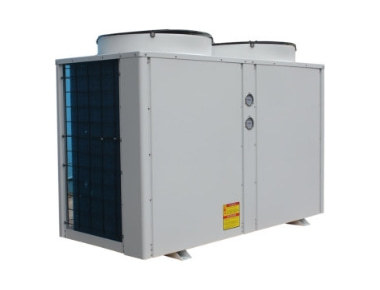
As homeowners and businesses increasingly seek sustainable and efficient heating and cooling solutions, heat pumps have emerged as a leading technology. However, traditional heat pumps can sometimes struggle in colder climates, leading to reduced efficiency and performance. This is where Enhanced Vapor Injection (EVI) technology comes in, revolutionizing the capabilities of heat pumps, especially in challenging environmental conditions.
This guide will walk you through the intricacies of EVI heat pump technology, explaining how these advanced systems work, their performance advantages, and why they represent a significant leap forward in energy efficiency for a wide range of applications. We'll explore the key distinctions that set EVI heat pumps apart and delve into the practical benefits they offer, particularly for those in colder regions.
Key Takeaways
- Superior Cold Weather Performance: EVI (Enhanced Vapor Injection) technology significantly boosts a heat pump's ability to operate efficiently in low ambient temperatures, even as low as -25°C or -30°C, where traditional heat pumps lose capacity.
- Enhanced Efficiency and Higher COP: By injecting refrigerant vapor mid-cycle, EVI systems maintain a higher Coefficient of Performance (COP), meaning they produce more heat energy for every unit of electricity consumed, leading to substantial energy savings.
- How It Works: EVI uses a secondary heat exchanger (economizer) and an auxiliary expansion valve to create a two-stage compression process. This cools the compressor and allows the system to absorb more heat from cold outdoor air.
- Cost and Environmental Benefits: The higher efficiency of an EVI Air Source Heat Pump translates directly into lower electricity bills and a reduced carbon footprint compared to traditional heating systems like furnaces or standard heat pumps.
- Increased System Longevity: The EVI process reduces stress and heat on the compressor, a critical component, which can lead to a longer operational lifespan and improved reliability for the entire system.
- Versatile Application: EVI heat pumps are suitable for a wide range of applications, including retrofitting into older homes with existing radiator systems and integration into new-build projects, providing both heating and cooling.
Understanding the Core: What is an EVI Heat Pump Manufacturer?
An EVI Heat Pump Manufacturer specializes in producing advanced heating and cooling systems equipped with Enhanced Vapor Injection (EVI) technology. This innovation addresses a primary limitation of standard heat pumps: their declining performance in cold weather. By developing and integrating EVI, these manufacturers create units that deliver reliable and efficient heating even in sub-freezing conditions, making them a viable, all-season solution for a much broader range of climates.
The Evolution of Heat Pump Technology and EVI's Role
The concept of the heat pump has been established for over 150 years, with the first working model built between 1855 and 1857 by Peter von Rittinger. However, for decades, their application was limited, especially in colder regions. Early heat pumps struggled as outdoor temperatures dropped, often requiring inefficient backup electric resistance heaters to compensate for the loss in heating capacity.
The major push for more efficient technology came in response to the 1970s oil crisis and a growing focus on energy conservation. This led to innovations like variable-speed inverter compressors in the 1980s, which improved efficiency by allowing the unit to modulate its output instead of constantly cycling on and off.
EVI technology represents the next significant leap in this evolution. Developed specifically to overcome the cold-climate challenge, EVI was introduced to expand the operational range of heat pumps and boost their efficiency at low temperatures, making them a truly powerful and sustainable alternative to fossil fuel-based heating systems across the globe.
Traditional Heat Pumps vs. EVI Systems
The fundamental difference between a traditional heat pump and an EVI system lies in how they handle the refrigeration cycle under stress, particularly in cold weather.
Traditional Heat Pumps: A standard heat pump absorbs heat from the outside air and transfers it inside. As the outdoor temperature falls, the pressure and temperature of the refrigerant also drop, making it increasingly difficult for the compressor to extract sufficient heat. This leads to a significant decrease in both heating capacity and efficiency (COP). In very cold weather, they may switch off entirely in favor of an auxiliary heat source.
EVI Heat Pumps: An EVI system adds an "economizer" or secondary plate heat exchanger and an extra electronic expansion valve to the refrigeration circuit. This allows a small portion of the refrigerant to be re-injected into the compressor at an intermediate pressure point. This process dramatically increases the system’s ability to deliver consistent heat and high efficiency, even at extremely low ambient temperatures.
Here is a comparative table highlighting the key differences:
| Feature | Traditional Air Source Heat Pump | EVI Air Source Heat Pump |
|---|---|---|
| Operating Temperature Range | Efficiency drops significantly below 32°F (0°C); ineffective below ~14°F (-10°C). | Maintains high efficiency and capacity down to -13°F (-25°C) or lower. |
| Heating Capacity in Cold | Decreases by 30-40% or more as temperatures drop. | Stable heating output even in deep freezes. |
| Coefficient of Performance (COP) | COP can fall to 1.5-2.0 in cold weather. | Can maintain a COP of 3.0+ in much colder conditions. |
| System Complexity | Standard single-stage compression cycle. | Quasi-two-stage compression with vapor injection. |
| Compressor Stress | Higher discharge temperatures and more stress on the compressor in the cold. | Lower discharge temperatures reduce compressor strain, enhancing longevity. |
| Environmental Impact | More likely to rely on less efficient backup heat, increasing energy use. | Reduces the need for auxiliary heat, lowering overall energy consumption and carbon footprint. |
How EVI Technology Enhances Performance
The magic of EVI technology lies in its intelligent modification of the standard refrigeration cycle. By adding a simple but effective secondary circuit, it "turbocharges" the heat pump's ability to work in conditions that would otherwise cripple a conventional unit. This enhancement directly addresses the physical limitations of refrigerants at low temperatures, resulting in more robust performance, better efficiency, and greater reliability.
The Enhanced Vapor Injection Process Explained
The EVI process can be broken down into a few key steps that occur within the refrigerant circuit. It essentially creates a more efficient, two-stage compression process within a single compressor.
- Refrigerant Split: After leaving the condenser, the high-pressure liquid refrigerant is split into two paths. The main portion (around 80%) proceeds as normal toward the primary expansion valve, while a smaller portion (around 20%) is diverted into a separate EVI circuit.
- The Economizer (Sub-Cooling Heat Exchanger): The diverted refrigerant passes through an auxiliary electronic expansion valve, causing its pressure and temperature to drop significantly. It then flows into a small plate heat exchanger known as an "economizer."
- Heat Exchange: Inside the economizer, the cold, low-pressure diverted refrigerant absorbs heat from the main flow of liquid refrigerant. This has two critical effects:
- Sub-cooling the Main Flow: The main refrigerant flow becomes significantly colder before it enters the evaporator. A colder refrigerant can absorb much more heat energy from the frigid outside air, which is the key to boosting heating capacity.
- Creating Vapor for Injection: The diverted refrigerant, having absorbed heat, turns into a vapor.
- Vapor Injection: This newly created vapor is injected directly into a special port on the scroll compressor at an intermediate point in the compression cycle.
- Boosting Compressor Performance: This injection of mid-pressure vapor cools the compressor, reducing discharge temperatures and preventing overheating. It also boosts the mass flow rate of the refrigerant, allowing the system to produce more heat with proportionally less power.
This entire process enables the heat pump to maintain high heating output and a superior Coefficient of Performance (COP) even when the outdoor temperature plummets.
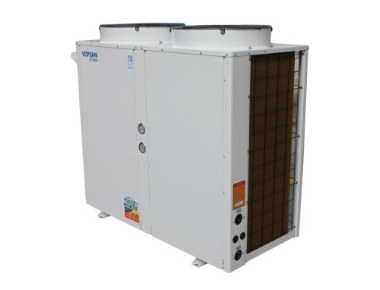
Unpacking the Performance of an EVI Heat Pump Manufacturer in Cold Climates
The true litmus test for any heating system is its performance when the weather is at its worst. This is where systems from a dedicated EVI heat pump manufacturer truly distinguish themselves. While standard heat pumps see their efficiency and heat output plummet with the temperature, EVI heat pumps are specifically engineered to thrive in these conditions, providing consistent warmth and unparalleled efficiency.
Maintaining Heating Capacity at Low Temperatures
A primary advantage of EVI technology is its ability to maintain a high heating capacity even at very low ambient temperatures. Standard air source heat pumps often struggle below 0°C (32°F) and may fail to produce adequate heat below -10°C (14°F), forcing reliance on expensive backup systems.
EVI heat pumps are designed to operate effectively in a much wider temperature range, often down to -25°C (-13°F) or even -30°C (-22°F). For example, at -15°C, the heating capacity of an EVI heat pump can be about 60% higher than that of a standard unit, a gap that can widen to 80% at -25°C. This is because the EVI cycle allows the refrigerant to absorb more heat from the frigid air and boosts the compressor's output, preventing the sharp drop-off in performance seen with conventional models. As a result, homeowners in colder climates can rely on their heat pump as a primary heat source year-round, without the need for a furnace or electric backup.
The Impact of EVI on Coefficient of Performance (COP)
The Coefficient of Performance (COP) is a critical measure of heat pump efficiency. It represents the ratio of heat output to the electrical energy input. A COP of 3.0 means the heat pump produces three units of heat for every one unit of electricity it consumes.
EVI technology significantly improves a heat pump's COP, especially in cold weather. While a standard heat pump's COP might fall to 1.8 at -10°C (14°F), an EVI heat pump can maintain a COP of 3.2 or higher under the same conditions—making it up to 80% more efficient. This superior efficiency is a direct result of the vapor injection process, which allows the system to generate more heat with proportionally less work from the compressor.
This sustained high COP means lower electricity consumption throughout the coldest months, leading to significant savings on utility bills.
Reduced Defrost Cycles and Stable Output
When operating in cold, humid conditions, moisture in the air can freeze onto the outdoor coil of a heat pump, forming a layer of frost. This frost acts as an insulator, blocking airflow and severely hindering the system's ability to absorb heat. To combat this, all heat pumps must periodically run a "defrost cycle." During this cycle, the system temporarily reverses, switching to cooling mode to send hot refrigerant to the outdoor coil and melt the ice.
While necessary, the defrost cycle consumes energy and temporarily stops heating the home. Standard heat pumps may need to defrost as often as every 30 to 90 minutes in certain conditions, which can impact both comfort and overall efficiency.
EVI heat pumps often require fewer and shorter defrost cycles. Because the EVI system operates more efficiently at lower temperatures, the outdoor coil doesn't get as cold as it would in a conventional system struggling to extract heat. This reduces the rate of frost formation. Some advanced EVI systems can use the latent heat stored in an associated water tank to speed up the defrost process, lasting only a few minutes. By minimizing the frequency and duration of defrosting, EVI systems provide more consistent heating and waste less energy, further enhancing their overall seasonal performance factor.
Maximizing Efficiency: The Benefits of Choosing an EVI Heat Pump Manufacturer
Opting for a system from a reputable EVI heat pump manufacturer offers a compelling combination of long-term financial savings and significant environmental advantages. The superior efficiency inherent in EVI technology is not just a technical specification; it translates into tangible benefits for both your wallet and the planet. By moving heat with exceptional effectiveness rather than burning fuel to create it, EVI heat pumps represent a smarter, greener way to achieve year-round comfort.
Significant Energy Savings and Lower Operating Costs
The primary driver of cost savings with an EVI heat pump is its remarkable energy efficiency. Because these systems can provide 2 to 4 times more heat energy than the electricity they consume, their operating costs are significantly lower than traditional heating methods.
When comparing a high-efficiency EVI heat pump to other systems for an average-sized, well-insulated home, the savings are clear. For example, monthly operating costs can be 50% or more lower than those for electric resistance heaters or oil furnaces. While natural gas is often cheaper per unit than electricity, the superior efficiency of an EVI heat pump frequently offsets this difference, leading to annual savings. Data suggests that switching from a gas furnace to a modern heat pump in a cold climate could save a homeowner around $650 per year.
While the initial investment for an EVI heat pump may be higher than for a conventional furnace, the long-term savings on energy bills, combined with potential government rebates and tax credits, often result in a payback period of just a few years. Over the 15 to 20-year lifespan of the unit, these accumulated savings can be substantial.
Environmental Advantages and Reduced Carbon Footprint
Choosing an EVI heat pump is a powerful step toward reducing a household's environmental impact. Unlike furnaces that burn fossil fuels like natural gas, propane, or oil, heat pumps run on electricity and produce zero on-site emissions. This immediately improves local air quality and eliminates the risks associated with fuel combustion and potential methane leaks from gas lines.
The overall carbon footprint reduction is significant. Switching from heating oil or propane to a heat pump can cut a household's annual carbon emissions by over 6 tons; for a natural gas furnace, the reduction is around 3.5 tons. Even when powered by a grid that includes fossil fuels, a heat pump's high efficiency means it consumes far less total energy, thereby reducing overall emissions from power plants. As the electrical grid becomes progressively greener with the addition of renewable sources like solar and wind, the carbon footprint of an EVI heat pump will continue to shrink, making it a future-proof investment in sustainable living.
Integration and Application: Versatility of EVI Heat Pump Manufacturer Systems
One of the standout features of systems produced by a top-tier EVI heat pump manufacturer is their remarkable versatility. Whether you are upgrading an old house or specifying the HVAC system for a new build, EVI heat pumps offer flexible and efficient solutions. Their ability to integrate with various types of heating distribution networks and their robust performance make them a prime choice for a wide array of residential and commercial projects.
Compatibility with Existing Heating Systems (e.g., Radiators)
A common question from owners of older homes is whether an air-to-water heat pump can work with their existing radiator system. The answer is often yes, though with important considerations. Traditional boilers operate at very high flow temperatures (70–80°C or 160-175°F), whereas heat pumps achieve peak efficiency at lower flow temperatures, typically between 35–55°C (95–131°F).
For a heat pump to effectively heat a home using existing radiators, the radiators must have a large enough surface area to distribute sufficient heat at these lower water temperatures. In many cases, especially in homes with good insulation, existing cast iron or modern steel panel radiators are adequately oversized and can work perfectly. A professional assessment is crucial to determine if all, some, or none of the existing radiators need to be upgraded to larger, high-output models designed for lower temperature systems. Properly integrating an EVI heat pump with a suitable radiator system can provide consistent, efficient, and comfortable hydronic heating.
Ideal for New and Older Homes Alike
The adaptability of EVI heat pumps makes them an outstanding choice for nearly any type of home.
Older Homes: Retrofitting a heat pump into an older home is a highly effective way to modernize its heating and cooling systems. For homes with existing hot water radiators or baseboards, an air-to-water EVI heat pump can replace a fossil fuel boiler. For homes with furnace ductwork, a central air-to-air EVI heat pump can be seamlessly integrated. Even in houses with no existing ductwork, ductless mini-split systems offer a flexible solution, providing zoned heating and cooling without major renovations. It's crucial, however, to first address the home's insulation and air sealing to maximize the heat pump's efficiency.
New Construction: In new builds, EVI heat pumps are the gold standard for energy-efficient design. They pair exceptionally well with modern, low-temperature heat distribution systems like in-floor radiant heating, which provides unparalleled comfort. Monobloc EVI heat pumps, which contain all refrigeration components in a single outdoor unit, simplify installation and save indoor space. Since new homes are built to strict insulation and air-tightness standards, a properly sized EVI system can provide all heating, cooling, and domestic hot water with maximum efficiency and minimal operating cost.
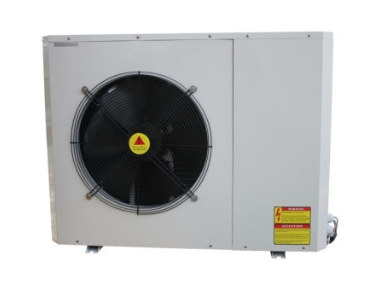
The Suoher Heat Pump Advantage: A Partner You Can Trust
When selecting an EVI heat pump, the manufacturer's experience, reliability, and technological expertise are paramount. Suoher stands out as a professional heat pump manufacturer with over 15 years of industry experience, specializing in innovative and energy-saving solutions like DC inverter and EVI heat pumps.
With a commitment to quality backed by ISO 9001 certification and products that achieve the highest European ERP A+++ energy ratings, Suoher has proven its reliability in demanding markets, including cold regions like Serbia where its EVI units provide stable heating and hot water even in severe winters. Their professional R&D team and advanced testing laboratories, capable of simulating environments down to -25°C, ensure that every product is built to perform.
Choosing Suoher means partnering with a company dedicated to quality, constant improvement, and customer satisfaction. If you are looking for a reliable, high-performance EVI heat pump solution for your project, Contact Suoher to leverage their expertise and build a green, energy-efficient future.
Key Questions About EVI Heat Pump Technology
Frequently Asked Questions (FAQ)
1. At what low temperature does an EVI heat pump remain effective? EVI heat pumps are specifically designed for low ambient temperature performance. While standard heat pumps see a drastic drop in efficiency and capacity below 0°C (32°F), EVI units can operate effectively down to -25°C (-13°F) and some models even down to -30°C (-22°F). They maintain a significant portion of their heating capacity at these temperatures, making them a reliable primary heat source in cold climates.
2. Is an EVI heat pump worth the extra cost compared to a standard model? While EVI heat pumps typically have a higher initial investment cost, they offer significant long-term savings that often make them a worthwhile investment. The increased efficiency (higher COP) in cold weather leads to lower monthly electricity bills. Furthermore, by eliminating the need for frequent use of expensive backup heating systems, the overall operating cost is drastically reduced. The energy savings, combined with improved comfort and system longevity, usually provide a strong return on the initial investment over the lifespan of the system.
3. Can an EVI heat pump completely replace my furnace? In many climates, yes. An appropriately sized cold-climate EVI heat pump can serve as the sole source of heating and cooling for a home, completely replacing a traditional furnace and air conditioner. For regions with the most extreme cold snaps (e.g., prolonged periods below -25°C), some homeowners may opt for a "dual-fuel" system, which uses the EVI heat pump as the primary source and keeps the furnace as a backup for the coldest days of the year. However, the advanced performance of EVI technology makes it a standalone solution for the vast majority of locations.
4. How much money can I save by switching to an EVI heat pump? The amount saved depends on your climate, local electricity rates, home insulation, and the type of system you are replacing. However, the savings are often substantial. Due to their high efficiency, EVI heat pumps can reduce heating costs by up to 50% or more compared to electric resistance heating or oil furnaces. Studies have shown that even when replacing a natural gas furnace, a modern heat pump can save hundreds of dollars annually on operating costs.
5. What kind of maintenance does an EVI heat pump require? EVI heat pumps require similar maintenance to standard heat pumps and air conditioners. Key tasks include:
- Cleaning or replacing air filters regularly (typically every 1-3 months) to ensure proper airflow.
- Keeping the outdoor unit clear of leaves, snow, and debris.
- Annual professional servicing where a technician will inspect coils, check refrigerant levels, test electrical connections, and ensure the entire system is operating safely and efficiently. Proper maintenance is crucial for sustaining the unit's high efficiency and extending its operational lifespan.
In conclusion, the advancements brought by EVI technology have significantly broadened the applicability and efficiency of heat pumps, especially in regions with colder climates. By understanding the core mechanics—the enhanced vapor injection that boosts performance, the sustained heating capacity in freezing temperatures, and the superior Coefficient of Performance—it becomes clear why EVI heat pumps are a superior choice for modern heating and cooling needs.
This exploration into EVI heat pump manufacturer technology highlights its role as a game-changer. These systems offer a sustainable, cost-effective, and powerful solution for maintaining comfort in any season, reducing both long-term operating costs and our collective carbon footprint. It's truly exciting to see how these innovations are shaping the future of energy-efficient living, making it possible for more homes and businesses than ever to embrace clean, all-electric comfort. We encourage you to share this article and join the discussion on how advanced heat pump technology can benefit our communities.