The Technology Behind Global Geothermal Heat Pump Manufacturers
- Share
- Issue Time
- Mar 30,2026
Summary
The global geothermal heat pump industry is rapidly advancing, offering a sustainable and highly efficient solution for heating and cooling. Unlike traditional HVAC systems that generate heat, geothermal systems harness the Earth's stable underground temperatures to move heat, resulting in remarkable energy efficiency (300-500% COP) and significantly reduced carbon emissions. This technology is supported by a diverse ecosystem of manufacturers worldwide, ranging from established giants like Carr
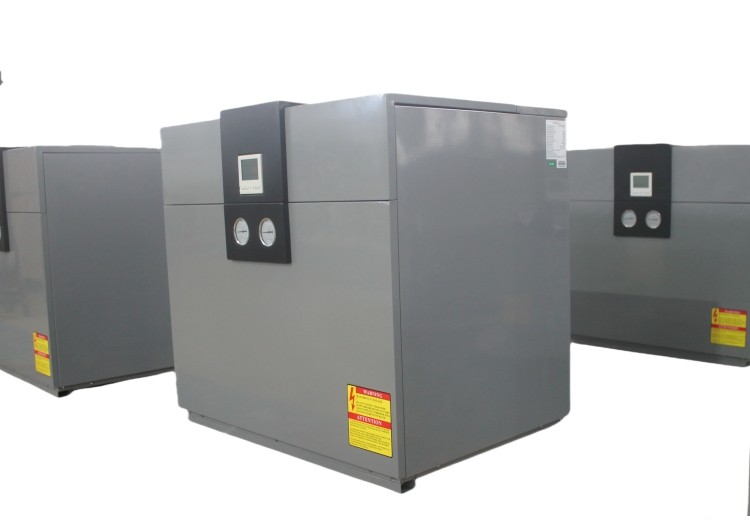
As we seek more sustainable ways to heat and cool our homes and businesses, geothermal heat pump technology stands out. These systems tap into the Earth's stable underground temperatures, offering an incredibly efficient and eco-friendly solution for climate control. They represent a pivotal shift away from fossil fuels, providing a reliable and renewable method for maintaining comfortable indoor environments year-round.
In this blog post, we will explore the cutting-edge technology behind the global innovators and manufacturers shaping the future of heating, ventilation, and air conditioning (HVAC). We will see how they are contributing to a greener planet by pushing the boundaries of what's possible. From foundational principles to the latest breakthroughs, we'll cover the a to z of this transformative industry.
We'll delve into the advancements that make geothermal heat pumps a cornerstone of modern sustainability. By examining key players and their contributions, we will paint a comprehensive picture of this vital industry. Join us as we uncover the engineering prowess and environmental commitment driving the leaders in geothermal technology forward.
The Core Technology Driving Geothermal Heat Pump Manufacturers
The true power of geothermal technology lies in its elegant simplicity and profound efficiency. Unlike traditional HVAC systems that generate heat by burning fuel, geothermal systems simply move existing heat from the earth into your home or business. This fundamental difference is the source of their remarkable performance and environmental benefits. A pioneering geothermal heat pump manufacturer leverages these core principles to engineer systems that are not only sustainable but also incredibly reliable and cost-effective over their lifespan.
Understanding Geothermal Principles and Efficiency
To appreciate the innovations in the geothermal sector, it's essential to first grasp the basic science that makes it all possible. The technology is built on a simple premise: the ground beneath our feet maintains a relatively constant temperature year-round, regardless of the weather on the surface. This thermal stability provides a perpetual and readily available source of energy for heating in the winter and a reliable sink for excess heat in the summer.
How Geothernal Heat Pumps Work
A geothermal heat pump doesn't create heat; it moves it. The system operates on a basic thermodynamic principle, transferring heat between a building and the earth through a network of underground pipes, often called a "ground loop." This process is far more efficient than creating heat from scratch.
The main components of a system are the indoor unit (the heat pump itself) and the outdoor ground loop.
Here’s a step-by-step look at the process:
Heating in Winter:
- A water-based fluid circulates through the underground pipes, absorbing the natural heat stored in the earth.
- This warmed fluid travels to the indoor heat pump unit.
- Inside the unit, the heat is extracted and concentrated through a refrigeration cycle involving a compressor and heat exchanger.
- The concentrated heat is then distributed throughout the building using a standard ductwork or radiant floor system.
- The now-cooled fluid cycles back underground to absorb more heat, repeating the process.
Cooling in Summer:
- The process reverses. The system extracts heat from the air inside the building.
- This captured heat is transferred into the fluid circulating in the ground loop.
- The warm fluid carries the heat underground, where it is dispersed into the cooler earth.
- The cooled fluid returns to the indoor unit to absorb more heat from the building, providing efficient and consistent air conditioning.
Because the ground temperature is more stable than air temperature, geothermal heat pumps operate with unmatched efficiency even in extreme climates.
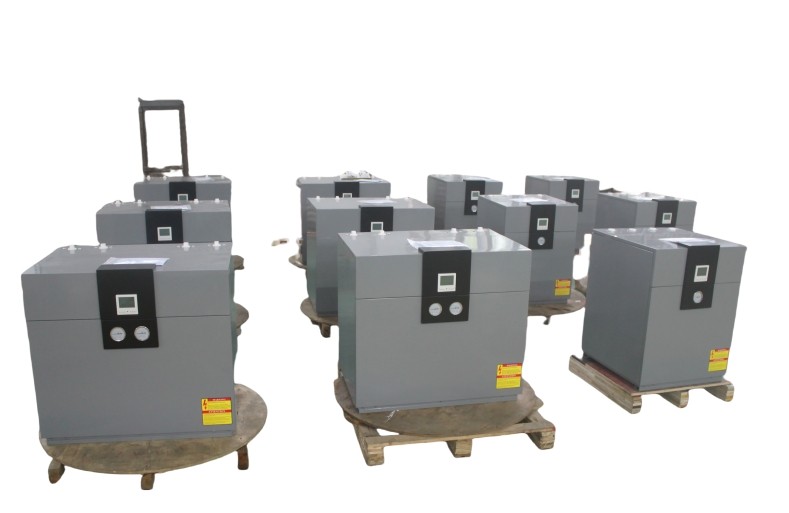
The Efficiency Advantage: Reducing Energy Consumption and Carbon Emissions
The single most compelling attribute of geothermal heat pumps is their extraordinary efficiency. Instead of burning fossil fuels like a furnace or using electricity to resistively create heat, they use a small amount of electricity to move a large amount of heat. This efficiency is measured by the Coefficient of Performance (COP) for heating and the Energy Efficiency Ratio (EER) for cooling.
A geothermal system typically has a COP between 3.0 and 5.0, meaning for every one unit of electrical energy it consumes, it delivers three to five units of heat. In contrast, even the most efficient natural gas furnace is rated below 100% efficiency, meaning some energy is always lost. Geothermal heat pumps can achieve efficiencies of 300% to 600%, making them the most efficient home heating system available.
This high efficiency translates directly into two major benefits:
- Lower Energy Bills: The EPA estimates that homeowners can save 30% to 70% on heating costs and 20% to 50% on cooling costs by switching to a geothermal system. While the upfront installation cost can be higher than traditional systems, the long-term energy savings often result in a payback period of 5 to 10 years.
- Reduced Carbon Footprint: Since geothermal systems don't burn fossil fuels, they produce zero on-site emissions. A study by Oak Ridge National Laboratory (ORNL) and the National Renewable Energy Laboratory (NREL) found that mass deployment of geothermal heat pumps could avoid seven gigatons of carbon-equivalent emissions by 2050. Even when accounting for the electricity used to run the system, which may come from fossil-fueled power plants, the overall emissions are significantly lower than conventional HVAC systems. Their widespread adoption is seen as a key strategy for decarbonizing the building sector.
The following table starkly illustrates the efficiency gap between geothermal and conventional systems:
| HVAC System | Typical Efficiency Rating | How it Works |
|---|---|---|
| Geothermal Heat Pump | 300-500% (3.0-5.0 COP) | Moves existing heat from the ground |
| High-Efficiency Gas Furnace | 90-98% (AFUE) | Burns natural gas to create heat |
| Standard Air Conditioner | 14-22 (SEER) | Moves heat to the outside air |
| Air-Source Heat Pump | 150-300% (1.5-3.0 COP) | Moves heat from the outside air |
This data clearly shows why geothermal technology is a cornerstone of sustainable energy, offering a reliable path to reducing both energy consumption and carbon emissions in buildings, which are responsible for nearly 40% of U.S. CO2 emissions.
Innovations from Leading Geothermal Heat Pump Manufacturers
The geothermal industry is not static. It is a field of constant innovation, driven by manufacturers dedicated to improving efficiency, enhancing user comfort, and simplifying installation. These companies are the engines of progress, turning scientific principles into practical, market-ready solutions. Let's explore the contributions of some of the key players.
Carrier Corporation's Advanced Solutions
Carrier, a name synonymous with modern air conditioning, has channeled its extensive HVAC expertise into the geothermal space. Their innovations focus on maximizing user comfort and system intelligence. The Carrier Infinity® series, for instance, represents a leap forward in geothermal technology. These systems feature two-stage scroll compressors and variable-speed blower motors, which allow the unit to precisely match its output to the heating or cooling needs of the home. This results in longer run times at lower speeds, providing exceptional temperature and humidity control while significantly reducing noise.
Recently, Carrier relaunched its geothermal product line with significant updates, including smaller, lighter units for easier installation and redesigned chassis for better serviceability. They've also integrated their advanced Infinity Touch control system, which provides homeowners with intuitive programming, energy tracking, and remote wireless access. Furthermore, their commitment to sustainability is evident in the adoption of Puron Advance™, a refrigerant with a lower Global Warming Potential (GWP), demonstrating a proactive approach to environmental regulations.
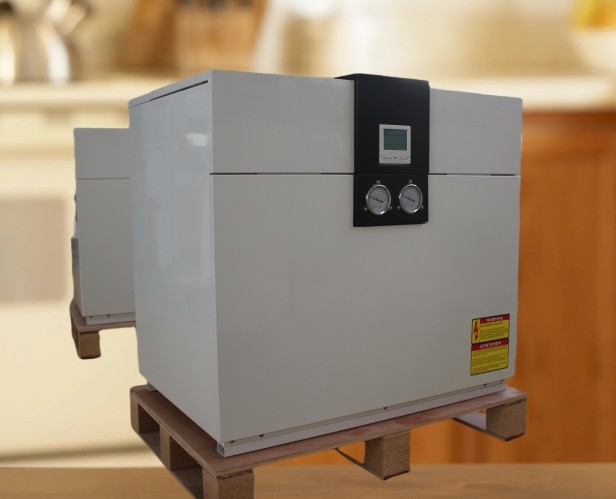
Climatemaster's Focus on Ground Source Heat Pumps
ClimateMaster has carved out a reputation as a specialist and world leader in geothermal and water-source heat pump technology. Their singular focus has allowed them to develop some of the most efficient and reliable units on the market. The Tranquility® 27 series, for example, was a groundbreaking product that achieved high-efficiency ratings partly by using advanced scroll compressors and a commitment to quiet operation through features like double-isolated compressor mounting.
A key aspect of ClimateMaster's innovation is its dedication to making geothermal accessible and understandable. They offer systems for various applications, including closed-loop, open-loop (or "pump and dump"), and pond loop configurations. Their units are also known for integrating value-added features, such as the Desuperheater function, which uses excess heat generated during the cooling cycle to help heat the home's domestic hot water, providing additional energy savings of up to 80% on water heating needs. By continuously researching and upgrading their designs, ClimateMaster aims to deliver not just efficiency, but a higher level of comfort and long-term value to homeowners.
Xylem's Water Technology Integration
While not a heat pump manufacturer in the traditional sense, Xylem's role in the geothermal industry is crucial. As a global leader in water technology, Xylem provides the essential components that make geothermal systems work efficiently and reliably. Their expertise lies in the "water" part of water-source heat pumps. They manufacture high-efficiency pumps, heat exchangers, and variable-speed controllers that are the heart of the ground loop system.
Xylem's innovations focus on optimizing the flow and transfer of heat. Their state-of-the-art pumps and controllers ensure that the system uses the minimum amount of energy required to circulate fluid through the ground loops, enhancing the overall COP of the entire system. By providing robust and efficient water management solutions, Xylem enables geothermal heat pump manufacturers and installers to build systems that are more durable, perform better, and consume less energy, supporting the entire spectrum of geothermal operations from residential to large-scale commercial projects.
Multistack's Modular Approach to Heat Pumps
Multistack has brought a revolutionary concept to the commercial and industrial HVAC market: modularity. Instead of large, single-unit chillers and heat pumps, Multistack designs smaller, independent modules that can be combined to meet any load requirement. This approach is particularly well-suited for geothermal applications.
The benefits of a modular design are numerous:
- Scalability: A facility can start with a few modules and easily add more as its heating or cooling needs grow.
- Redundancy: Since each module is an independent heat pump, the failure of one unit does not disable the entire system. Other modules continue to operate, ensuring uninterrupted service.
- Efficiency: The system's controls can activate only the number of modules needed to meet the current load, ensuring the system operates at peak efficiency rather than running a large, oversized machine at an inefficient partial load.
- Flexibility: Multistack's dedicated heat recovery modules can provide simultaneous heating and cooling, which is perfect for complex buildings with different thermal zones.
Multistack's MSR series of water-to-water modular heat pumps are ideal for ground-loop applications, allowing engineers to design highly efficient and resilient geothermal systems for large buildings like offices, schools, and hospitals. This innovative, flexible approach is changing how large-scale geothermal projects are designed and implemented.
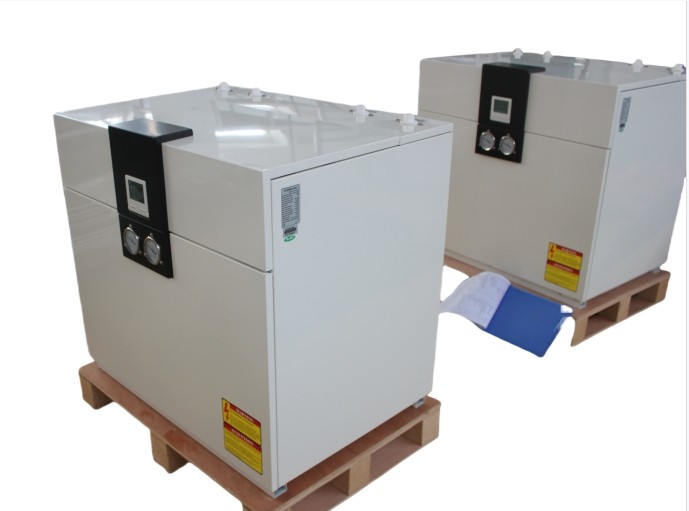
Global Geothermal Heat Pump Manufacturers and Their Impact
The growth of the geothermal market isn't confined to one region; it's a global phenomenon. From the established HVAC giants in North America to dynamic new players in Asia, manufacturers worldwide are recognizing the immense potential of geothermal technology. This widespread adoption is crucial for driving innovation through competition, achieving economies of scale to lower costs, and adapting the technology to diverse climates and building standards. The collective effort of these global manufacturers is accelerating the transition to a more sustainable, decarbonized future for building climate control.
North American Pioneers in Geothermal Heat Pump Technology
North America has long been a hub of HVAC innovation, and its leading manufacturers have leveraged decades of experience to become pioneers in the geothermal sector. These companies have played a foundational role in establishing the reliability and performance standards for the industry, building on a legacy of engineering excellence to create advanced geothermal solutions. Their established distribution networks and brand recognition have been instrumental in popularizing geothermal technology across the continent.
Rheem and Lennox: A Century of HVAC Experience
Companies like Rheem and Lennox bring nearly a century of experience in heating and cooling to the geothermal market. Rheem, founded in 1925, has a history of innovation in water heating and quickly expanded into HVAC systems. They introduced heat pumps to their product line in the mid-1970s and have since become a major player, offering a wide range of residential and commercial products. Their extensive experience in manufacturing has allowed them to engineer durable and reliable systems, while their vast distribution network has made geothermal technology more accessible to a broader market.
Lennox, another legacy brand, is renowned for its focus on high-efficiency and premium quality. While known for their industry-leading air-source heat pumps and dual-fuel systems, which smartly switch between electricity and gas, they also apply this engineering prowess to geothermal systems. Homeowners who choose Lennox often praise the quiet operation and significant energy savings. Both Rheem and Lennox leverage their long-standing reputations for quality and customer trust to encourage the adoption of more sustainable geothermal technologies.
YORK's Adaptive Geothermal Heat Pump Systems
YORK, a brand of Johnson Controls, has pushed the boundaries of geothermal performance with its focus on "adaptive" systems. The YORK® Affinity™ series is a prime example of this philosophy. These units offer some of the highest efficiencies on the market, with EER ratings up to 41 and COP ratings up to 5.3. This remarkable performance is achieved through the use of variable-capacity compressors.
Unlike single-stage or even two-stage compressors, a variable-capacity compressor can modulate its output in tiny increments, perfectly matching the home's heating or cooling demand at any given moment. This is paired with variable-speed blower motors and loop pumps, creating a system that runs almost continuously at very low, ultra-efficient levels. This "adaptive" operation leads to unparalleled comfort—by eliminating temperature swings—and maximizes energy savings. YORK's advanced Aurora controls further enhance this by providing detailed performance monitoring and diagnostics, making their systems not just efficient, but intelligent.
Enertech's Contributions to the Geothermal Industry
While larger corporations have the advantage of scale, specialized manufacturers like Enertech play an equally vital role in advancing the geothermal industry. Enertech's journey from a distributor to a respected manufacturer demonstrates a deep commitment to the technology and a unique understanding of the market's needs. Their focused approach has allowed them to innovate in ways that larger, more diversified companies might not, particularly in product design and industry advocacy.
From Distributor to Manufacturer: Enertech's Journey
Enertech Global began its life in 1996 not as a manufacturer, but as a distributor of geothermal heat pumps. This origin story is key to its success. Founded by Steve and Karen Smith, the company was built on a desire to provide better service to customers and create a better workplace for employees. By starting on the distribution side, they gained invaluable firsthand knowledge of what installers and homeowners needed, what worked in the field, and where existing products fell short.
This deep customer understanding was the catalyst for their evolution. In 2007, Enertech moved into manufacturing with the acquisition of the Hydron Module brand. This transition allowed them to translate their field experience into product design, creating systems known for their quality, reliability, and installer-friendly features. Today, Enertech manufactures multiple brands from its facility in South Dakota, a testament to its successful journey from a small distributor to a significant player in the geothermal manufacturing landscape.
Leadership in Geothermal Advocacy
Enertech's contribution to the industry extends beyond manufacturing high-quality products. The company has demonstrated a strong commitment to advocating for the geothermal industry as a whole. Steve Smith, co-founder of Enertech, has served as Chairman of the Board for the Geothermal Exchange Organization (GEO), the leading trade association for the industry in the United States.
This leadership role involves actively working to promote the benefits of geothermal technology to policymakers, utility companies, and the public. GEO's advocacy is critical for securing favorable legislation, such as the federal tax credits for geothermal installations, and for ensuring that geothermal heat pumps are recognized in state and national energy policies. By taking on this advocacy role, Enertech helps to create a healthier market environment for all geothermal manufacturers and stakeholders, pushing for policies that reduce carbon emissions and support the growth of renewable energy technologies. Their recent partnership with Dandelion Energy on one of the largest residential geothermal deployments in U.S. history further solidifies their leadership and commitment to expanding the market.
Rising Stars: Chinese Geothermal Heat Pump Manufacturers
As China accelerates its efforts to decarbonize, the nation has become a burgeoning market and a production powerhouse for renewable energy technologies, including heat pumps. A new generation of Chinese manufacturers is emerging, bringing fresh perspectives, competitive pricing, and a strong focus on advanced technologies like DC inverters. These companies are not only serving their massive domestic market but are increasingly looking to export their products globally, adding a new dimension of competition and innovation to the industry.

Suoher Heat Pump: A Key Player in China's Geothermal Market
Foshan Suoher Electric Appliance Co., Ltd., established in 2014, represents the dynamic growth of China's heat pump industry. While relatively young, Suoher's team brings years of experience in HVAC research and development. The company produces a wide array of heat pumps, including air-to-water, EVI (Enhanced Vapor Injection) for cold climates, and ground source heat pumps.
Suoher's strategy focuses on combining reliable quality with constant R&D to meet the needs of diverse international markets, including Europe and South America. They have secured numerous patents and certifications, such as the ERP A+++ rating, which is the highest energy efficiency level in Europe. By offering OEM/ODM services, Suoher collaborates with global brands, contributing to the wider availability of affordable and efficient heat pump technology. Their presence signifies the rise of Chinese manufacturers as significant contributors to the global supply chain for green energy products.
AMITIME's Advancements in DC Inverter Technology
AMITIME, founded in 2003, has established itself as a pioneer in the development of DC inverter technology for heat pumps. Inverter technology is a game-changer for efficiency. Instead of the simple on/off cycling of a traditional compressor, a DC inverter allows the compressor to vary its speed. This enables the heat pump to precisely match its output to the heating or cooling demand, resulting in significant energy savings, quieter operation, and more stable indoor temperatures.
AMITIME has leveraged this expertise to create a broad range of products, including air-to-water, water-to-water, and swimming pool heat pumps that are known for their high performance, even in harsh climates. The company emphasizes its robust R&D, with a large team of engineers dedicated to pushing technological boundaries. Their focus on high-efficiency components, smart controls with Wi-Fi APP integration, and the use of eco-friendly refrigerants like R290 (propane) positions them at the forefront of modern heat pump design. As a major exporter and OEM/ODM partner, AMITIME is instrumental in driving the global adoption of more advanced and efficient heat pump solutions.
Technical Advancements by Geothermal Heat Pump Manufacturers
The evolution of geothermal heat pumps is marked by a relentless pursuit of technical excellence. Manufacturers are not just refining the core technology; they are integrating sophisticated digital tools, adopting more sustainable materials, and developing intelligent control systems. These advancements enhance every stage of a geothermal system's life cycle, from design and installation to long-term operation and maintenance. The result is a product that is not only more efficient and powerful but also more flexible, user-friendly, and environmentally responsible than ever before.
Precision and Detail in Revit Content Creation
In the architecture, engineering, and construction (AEC) industry, Building Information Modeling (BIM) has become the standard for designing complex projects. Revit, a leading BIM software, allows professionals to create detailed 3D models of buildings that contain a wealth of data about every component. Geothermal manufacturers who provide high-quality Revit content give engineers and architects a critical advantage, enabling more accurate designs, smoother installations, and better-performing systems. This digital-first approach demonstrates a manufacturer's commitment to supporting the entire project lifecycle.
Carrier's 50PSW Geothermal Heat Pumps: A Case Study
Carrier stands out as a manufacturer that provides excellent support for the AEC community by offering detailed Revit families for their products. A great example is their 50PSW water-to-water geothermal heat pump line. Carrier provides distinct Revit families for different capacity ranges of the 50PSW, from small 2-ton units up to large 35-ton commercial units.
These digital models are more than just 3D shapes. They contain:
- Levels of Detail (LOD): The models include coarse, medium, and fine levels of detail, allowing them to be viewed appropriately at different scales in a project without slowing down the software.
- 2D and 3D Geometry: The use of 2D geometry for plan and elevation views ensures a fast workflow for engineers laying out mechanical rooms.
- Essential Data: The families are packed with critical mechanical and electrical parameters needed for system calculations and simulations within Revit.
- Parametric Connectors: All pipe connectors are built to industry standards and are parametrically controlled, meaning they can be adjusted to fit design changes.
By providing such detailed and flexible Revit content, Carrier empowers engineers to design geothermal systems with greater precision, reducing the risk of on-site clashes and ensuring the final installation matches the design intent perfectly.
Parametric Design for Flexibility and Efficiency
Parametric design is a powerful approach that takes BIM to the next level. Instead of creating static models, parametric design uses algorithms to create components and systems that are flexible and adaptable. By defining relationships between different elements, a change to one parameter—like the size of a room or the type of heat pump—can automatically update the entire related system.
In the context of geothermal heat pumps, manufacturers are using parametric design principles in their Revit content to create highly flexible models. For example, the main geometry of Carrier's Revit families is parametric, which means the models can be quickly updated to accommodate a new range of units or custom configurations. This flexibility is invaluable in the early stages of design, where architects and engineers explore multiple options to find the most efficient solution. Parametric modeling allows for the rapid generation and analysis of different design alternatives, helping to optimize everything from pipe routing to unit placement for maximum energy efficiency and cost-effectiveness.
Sustainable Refrigerants and Smart Controls
Two of the most significant trends in HVAC technology are the shift toward more environmentally friendly refrigerants and the integration of intelligent control systems. Geothermal manufacturers are at the forefront of both movements, recognizing that true sustainability requires addressing not just operational energy use, but also the environmental impact of the materials used within the system and the intelligence with which the system operates. These advancements are critical for future-proofing the technology and maximizing its environmental benefits.
The Shift Towards Low-GWP Refrigerants
Refrigerants are the lifeblood of a heat pump, but many traditional refrigerants, like R-410A, are potent greenhouse gases known as hydrofluorocarbons (HFCs). R-410A has a Global Warming Potential (GWP) of over 2,000, meaning it traps over 2,000 times more heat in the atmosphere than carbon dioxide over 100 years. Regulatory actions like the American Innovation and Manufacturing (AIM) Act are mandating a sharp phasedown of these high-GWP HFCs.
In response, geothermal manufacturers are proactively transitioning to next-generation refrigerants. The leading alternatives include:
- R-454B: A blended refrigerant with a GWP of just 466, representing a significant reduction from R-410A. It is designed to be a "drop-in" replacement, requiring minimal system redesign. Manufacturers like WaterFurnace are adopting R-454B in their latest models, ensuring compliance with future standards while improving system performance.
- R-32: A single-component refrigerant with a GWP of around 675. While its GWP is slightly higher than R-454B, R-32 offers excellent thermodynamic properties, potentially leading to higher system efficiencies. Daikin has been a major proponent of R-32, highlighting its widespread availability and proven performance in millions of units globally.
This shift is not just about compliance; it's a fundamental improvement in the environmental profile of the technology. By pairing highly efficient heat pump operation with low-GWP refrigerants, manufacturers are drastically reducing both the direct (from refrigerant leaks) and indirect (from energy consumption) climate impact of their products.
Intelligent Monitoring and Control Systems
The "smart home" revolution has arrived in the HVAC space, and geothermal manufacturers are integrating sophisticated controls that offer unprecedented levels of monitoring, automation, and user convenience. Modern controllers have moved far beyond simple thermostats, becoming the central brain of the entire home comfort system.
Key features of these intelligent systems include:
- Remote Access and Monitoring: Homeowners can now monitor and control their geothermal systems from anywhere via smartphone or web apps. This allows for adjustments on the go and provides peace of mind.
- Energy Usage Data: Advanced controllers display real-time and historical energy consumption data. This empowers users to understand their energy usage patterns and make informed decisions to further reduce costs.
- Advanced Diagnostics: These systems constantly monitor their own performance. If an issue arises, the system can often diagnose itself and send an alert to both the homeowner and their service technician, sometimes before the homeowner even notices a problem. This speeds up repairs and reduces downtime.
- IoT Integration: Through technologies like Wi-Fi and LoRaWAN, controllers can integrate with broader smart home ecosystems (like Amazon Alexa or Google Home) and provide a wealth of data for performance optimization. Manufacturers like Enertech with their EPIC controls and York with their advanced communicating thermostats are providing these powerful capabilities, turning the geothermal system into a fully connected, intelligent appliance.
These smart controls not only enhance comfort and convenience but also ensure the system runs at peak efficiency at all times, further maximizing the energy and cost savings that make geothermal technology so attractive.
The Future Landscape for Geothermal Heat Pump Manufacturers
The future for geothermal heat pump manufacturers is incredibly bright, characterized by integration, intelligence, and market expansion. As the global push for decarbonization intensifies, geothermal technology is moving from a niche alternative to a mainstream solution. Manufacturers are poised to capitalize on this shift by innovating in ways that make systems more powerful, versatile, and interconnected. The landscape will be defined not just by the efficiency of individual units, but by how well those units integrate with other renewable technologies, smart building ecosystems, and supportive government policies.
Integration with Renewable Energy and Smart Homes
The next frontier for geothermal is synergy. A geothermal heat pump is already a highly efficient electrical appliance, but its true potential is unlocked when it's integrated into a larger ecosystem of smart, renewable energy solutions. This holistic approach promises to create homes that are not only comfortable and carbon-neutral but also resilient and responsive to the needs of both the occupants and the electrical grid. Manufacturers are actively developing the communication and control technologies needed to make this interconnected future a reality.
Heat Pumps and Solar Energy Synergy
The combination of a geothermal heat pump and a rooftop solar photovoltaic (PV) system is a powerful one. A geothermal system's primary energy input is electricity to run the compressor and pumps. Solar panels generate electricity. Marrying the two creates a self-sufficient system where the free, renewable energy from the sun powers the highly efficient process of moving free, renewable energy from the ground.
This synergy offers several key advantages:
- Near-Zero Energy Costs: During daylight hours, the solar panels can generate enough electricity to completely power the geothermal heat pump's operation. This means heating and cooling can be virtually free during peak solar production.
- Energy Independence: By generating and using their own power, homes become less reliant on the electrical grid. When combined with battery storage, this setup can provide reliable heating and cooling even during power outages.
- Maximum Carbon Reduction: A solar-powered geothermal system is a 100% renewable solution. It eliminates both the on-site emissions of fossil fuel systems and the grid-based emissions from power plants. It represents a a true net-zero approach to home climate control.
Manufacturers are facilitating this integration by designing smart controls that can prioritize running the heat pump when solar energy is abundant, maximizing self-consumption and enhancing the financial and environmental benefits.
Enhanced Indoor Air Quality and Humidity Control
Modern geothermal heat pumps offer significant benefits beyond just temperature control; they are also powerful tools for managing indoor air quality (IAQ) and humidity. Unlike furnaces that burn fuel and can introduce combustion byproducts, geothermal systems are entirely electric and self-contained, eliminating a potential source of carbon monoxide.
Furthermore, the operational nature of advanced geothermal systems contributes to better air quality:
- Superior Dehumidification: During the cooling cycle, a geothermal system acts as a highly effective dehumidifier. As warm, humid air passes over the cold indoor coil, moisture condenses out of the air and is drained away. Many modern systems even have a dedicated "dehumidify" mode that can run independently of the cooling function to specifically target high humidity levels, preventing mold growth and creating a more comfortable environment. Some systems can dehumidify up to 30% more effectively than traditional air conditioners.
- Consistent Air Filtration: Because variable-speed geothermal units tend to run for longer periods at low speeds, they are constantly circulating and filtering the air. This continuous filtration is more effective at removing airborne particulates like dust, pollen, and dander compared to the intermittent cycling of older HVAC systems.
- Fresh Air Integration: Many systems are designed to work seamlessly with energy recovery ventilators (ERVs). An ERV expels stale, polluted indoor air while bringing in fresh, filtered outdoor air, transferring heat and humidity between the two streams to minimize the energy penalty.
By providing precise control over temperature, humidity, and filtration, geothermal systems create a healthier, cleaner, and more comfortable indoor environment.
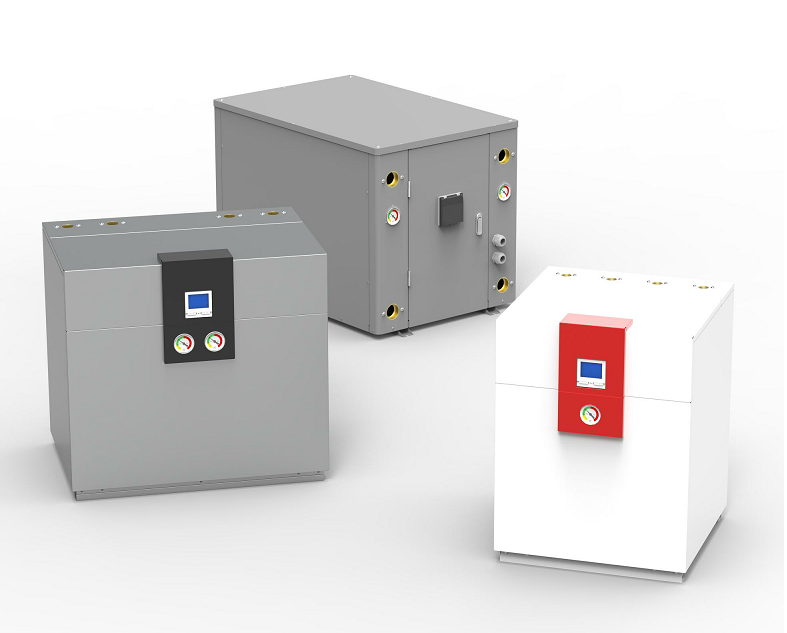
Government Incentives and Market Growth for Geothermal Heat Pump Manufacturers
The trajectory of the geothermal market is heavily influenced by government policy and economic incentives. As nations and states set ambitious decarbonization goals, they are turning to proven technologies like geothermal heat pumps to help achieve them. This supportive policy environment, combined with innovations in business models and system design, is creating a powerful tailwind for market growth, encouraging more widespread adoption and fueling further investment in the industry.
Policy Support and Decarbonization Goals
Government support has been a powerful catalyst for the adoption of geothermal technology. Policies like the U.S. Inflation Reduction Act (IRA) have introduced and extended significant financial incentives that make geothermal systems more affordable for homeowners and businesses.
Key incentives include:
- Residential Clean Energy Credit (Section 25D): This provides a federal tax credit of 30% of the total cost of a new, qualifying geothermal system, with no upper limit. This credit significantly reduces the upfront financial barrier for homeowners. The credit remains at 30% for systems placed in service through 2032.
- Commercial Investment Tax Credit (ITC - Section 48): For commercial projects, the IRA offers a two-tiered tax credit. A base rate of 6% is available, but projects that meet specific prevailing wage and apprenticeship requirements can qualify for a bonus rate of 30%. There are additional "adders" for using domestic materials or locating projects in designated energy communities.
- High-Efficiency Electric Home Rebate Program: This program, funded by the IRA and administered by states, will offer point-of-sale rebates to homeowners for efficiency upgrades. Geothermal heat pumps are eligible for rebates up to $8,000, with higher amounts available for low- to moderate-income households.
These strong financial incentives, driven by national and state-level decarbonization goals, are creating unprecedented market demand. Manufacturers are scaling up production and investing in R&D to meet this demand, knowing there is a supportive policy framework in place for the next decade.
Modular Designs and Subscription Models
Innovation in the geothermal space is not limited to hardware; it also extends to business models and system design philosophies. Two emerging trends are poised to further accelerate market growth:
- Modular Designs for Commercial Buildings: As seen with manufacturers like Trane and Multistack, modular geothermal systems are becoming increasingly popular for commercial applications. This approach involves using multiple smaller, standardized heat pump units instead of one massive, custom-built machine. This offers scalability, redundancy (if one unit fails, the others keep working), and improved part-load efficiency. It simplifies design, installation, and maintenance, making geothermal a more practical and cost-effective solution for large buildings like schools, offices, and multifamily complexes.
- HVAC as a Service (HaaS) / Subscription Models: Addressing the high upfront cost of geothermal remains a key challenge. Some innovative companies are circumventing this by adopting a subscription or leasing model, sometimes referred to as "HVAC as a Service" (HaaS). In this model, a third party owns and maintains the geothermal system (including the expensive ground loop), and the homeowner pays a flat monthly fee for heating and cooling. This eliminates the upfront investment for the consumer, making geothermal accessible to a much wider audience. This model also allows the system owner (the third party) to take full advantage of the commercial tax credits, passing the savings on to the customer in the form of lower monthly payments.
These innovative approaches are lowering barriers to entry and making geothermal a more viable option for a broader range of customers, from individual homeowners to large commercial property managers.
Frequently Asked Questions (FAQ)
To help clarify some of the most common inquiries about geothermal technology, we've compiled answers to a few frequently asked questions.
What is the main advantage of a geothermal heat pump?
The single greatest advantage of a geothermal heat pump is its unparalleled energy efficiency. Because it moves existing heat from the stable-temperature earth rather than generating heat by burning fuel, it can achieve efficiency ratings of 300% to 500% or more. This means for every unit of electricity it consumes, it delivers 3 to 5 units of heating energy. This high efficiency leads directly to significantly lower monthly utility bills—often reducing heating costs by up to 70% and cooling costs by up to 50%—and a much smaller carbon footprint compared to any conventional HVAC system.
How long do geothermal systems last?
Geothermal systems are known for their exceptional longevity and durability, which contributes to their excellent long-term value. The indoor components, namely the heat pump unit itself, have a typical lifespan of 20 to 25 years, significantly longer than the 12-15 year average for traditional furnaces and air conditioners. The underground component—the ground loop piping—is even more durable. Made from high-density polyethylene, these pipes are inert to soil conditions and have a warranted life of 50 years or more, with many expected to last over a century.
Are geothermal heat pumps expensive to install?
Yes, the initial upfront cost of installing a geothermal system is typically higher than that of conventional HVAC systems. This is primarily due to the cost associated with drilling or trenching to install the underground ground loop. However, this higher initial investment is offset over time by substantial energy savings. Most homeowners see a return on their investment within 5 to 10 years through lower utility bills. Furthermore, generous federal, state, and utility incentives, such as the 30% federal tax credit, can dramatically reduce the net upfront cost, making the payback period even shorter.
Can a geothermal system also provide hot water?
Many geothermal heat pump systems can be equipped with a feature called a "desuperheater," which provides supplemental hot water. During the summer cooling season, the system captures excess heat that it has removed from your home and, instead of rejecting it all into the ground, it diverts some of that heat to your home’s hot water tank. This process essentially provides free hot water as a byproduct of air conditioning. This can reduce a home's annual water heating costs by a significant amount, further enhancing the overall savings and efficiency of the system.
Do I need a large yard for a geothermal system?
Not necessarily. The amount of space required depends on the type of ground loop installed. There are two primary types:
- Horizontal Loops: These require more surface area, as they consist of pipes laid in trenches that are typically 4 to 6 feet deep. They are a cost-effective choice for properties with sufficient open land.
- Vertical Loops: These are ideal for properties with limited space, including urban lots. They involve drilling deep, vertical boreholes (typically 150-450 feet deep) to house the pipes. While the drilling costs for vertical loops are higher, they allow geothermal technology to be installed on almost any property, regardless of yard size.
An experienced installer can assess your property and recommend the best loop configuration for your specific needs.
Conclusion
The journey through the innovations of global geothermal heat pump manufacturers reveals a dedicated and relentless effort to create more efficient, sustainable, and reliable HVAC solutions. From the foundational principles of moving heat to the integration of intelligent controls and sustainable refrigerants, the industry is firing on all cylinders. Leading manufacturers are not only refining their hardware but are also pioneering new business models and digital tools that make this technology more accessible and effective than ever before.
As we move forward, the continued evolution of technology, supported by proactive environmental policies like the Inflation Reduction Act, will ensure that geothermal heat pumps remain at the forefront of the green energy revolution. The synergy with solar power, advancements in modular design, and the push for superior indoor air quality are all trends that will shape the future of our buildings. The commitment to decarbonization is no longer a distant goal; it is an active design principle in today's HVAC industry.
We are optimistic that these advancements will lead to a future where sustainable climate control is not just a premium option, but a global standard. This future is being built today, thanks to the tireless work of every geothermal heat pump manufacturer worldwide. If you're inspired by the potential of this technology and want to learn how it could fit into your own home or project, don't hesitate to Contact geothermal heat pump expert for personalized advice. We encourage you to share this article to spread awareness about this powerful solution for a cleaner, more comfortable world.