How Long Do Heat Pumps Last? Lifespan, Warranty and Maintenance Schedules
- Share
- publisher
- Suoher Heat Pump Team
- Issue Time
- Sep 16,2026
Summary
How long do heat pumps really last? Drawing on DOE and EHPA service-life data, this guide sets realistic expectations for air source, ductless and ground source systems, explains the three factors that shorten lifespan - installation quality, coastal corrosion and skipped maintenance - decodes compressor and parts warranties, and provides a practical maintenance calendar. It closes with a repair-or-replace decision framework for buyers planning their next investment.
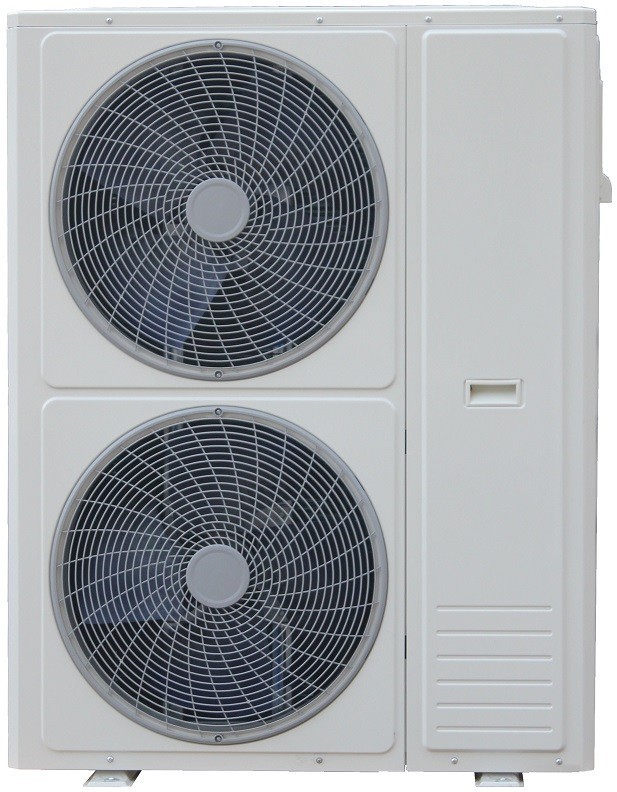
A heat pump is usually the single most expensive piece of equipment a homeowner or a property portfolio owner will buy for heating, and it is the one whose price tag hides a second, bigger number: years of service. Ask ten people how long a heat pump lasts and you will get ten answers, somewhere between "about ten years" and "they run forever". The truth, backed by US Department of Energy service-life data and European field studies, sits in a narrower band — and it moves a lot depending on installation quality, climate and how faithfully the maintenance schedule is followed. This guide sets realistic expectations, explains what actually shortens service life, decodes warranty fine print, and gives you a maintenance calendar you can hand straight to a service team.
Realistic lifespan expectations
The most defensible starting point comes from the US DOE's appliance lifecycle guidance and ASHRAE service-life tables, which put air-source heat pumps at roughly 15 years of expected service, with well-maintained units in moderate climates often exceeding that. European field surveys, including work referenced by the European Heat Pump Association, show a similar picture: the majority of units installed since 2010 reach 12 to 18 years before major component failure or economic end of life. Here is how the numbers break down by system type.
Air source heat pumps: 12-18 years
Air-to-water monobloc and split units live the hardest life of any heating equipment: the compressor starts and stops with the seasons, the outdoor coil endures rain, dust, salt and frost cycles, and refrigerant circuits carry pressures that fluctuate every hour. In a temperate climate with clean installation conditions, expect 15 years as the median. Two things push units toward the top of the 12-18 band: a correctly sized system that avoids short cycling, and an inverter compressor that modulates instead of hammering itself with full-load starts. This is one reason Suoher builds its residential line around DC inverter compressors — smooth capacity modulation means fewer start-stop stress cycles on bearings, windings and solder joints, which is precisely where most first failures begin.
Ductless mini-splits: 12-20 years
Ductless air-to-air units tend to outlast ducted air handlers because the refrigerant circuit is shorter, there is no ductwork to leak or corrode, and the indoor unit's filtration is simple to clean. Japanese market data on mini-split fleets frequently shows 15-20 year service lives. The weak points are the outdoor fan motor and the electronic expansion valve, both of which are inexpensive to replace at the 10-year mark if a technician catches them early.
Ground source heat pumps: 20-25 years, loop 50+
Ground source systems separate the two lifespans that air source units must combine. The ground loop — HDPE pipe buried or bored below frost depth — carries no refrigerant, no compressor and no moving parts, and polyethylene pressure pipe manufacturers warranty it for 50 years or more. The heat pump unit itself still contains a compressor and plate heat exchangers, and those typically last 20-25 years because the source temperature is stable year-round, which keeps the compression ratio low and the machine operating in its comfort zone. The trade-off is the drilling cost, which is why air source remains the volume choice for most residential and light commercial projects.
What shortens lifespan
Lifespan is not a lottery. Across warranty claims and factory tear-downs, the same three factors appear again and again.
Installation quality
The single largest lifespan variable is the quality of installation, not the badge on the cabinet. Over- or under-sizing causes short cycling, which accelerates compressor wear more than any other operating pattern — a unit cycling every ten minutes can consume its compressor life in half the expected years. Poor refrigerant brazing leaves moisture and oxides inside the circuit, which acidify the oil and eat compressor windings from the inside. Incorrect water-side flow causes repeated high-pressure trips. We covered the most common field errors in detail in our guide to heat pump installation mistakes; if you are specifying an install for a client, that checklist is worth ten minutes of your time.
Coastal corrosion
Salt air is a silent lifespan killer. Unprotected aluminum fins and copper tubing on an outdoor coil can degrade within 5-8 years in a marine environment, first as performance loss and eventually as refrigerant leaks. If the project is within a few kilometres of the coast, specify units with coil coatings — epoxy or hydrophilic treatments — and galvanized or painted cabinets tested for C4 or C5-M corrosivity classes. Suoher offers a coastal protection package on its monobloc line for exactly this reason, and for seaside hotel and aquaculture projects we recommend it as standard, not as an option.
Skipped maintenance
Units that never see a technician rarely die suddenly; they decay. A coil clogged with poplar fluff and dust raises condensing pressure season after season, silently dropping COP and heating the compressor toward its thermal limit. A slipping fan belt, a blocked condensate tray, a low water pressure setting — none of these stops the machine, and all of them shorten it. The maintenance schedule below is not bureaucratic paperwork; it is the difference between a 10-year unit and an 18-year unit.
Warranties decoded
Warranty documents are written to reassure and to limit liability at the same time. Reading them like a buyer, rather than a lawyer, comes down to three questions.
Compressor 5-12 years
Compressor coverage is the headline number and the one with the widest spread: 5 years is common on budget brands, 10-12 years on premium lines, and some ground source manufacturers go further. A long compressor warranty is meaningful only if the manufacturer is reachable when the claim lands — for imported units, ask whether compressor parts are stocked in your region or shipped from the factory, and how long the logistics take. At Suoher we ship a compressor that is matched, tested and run in-house before delivery precisely because we back it for years afterward, and we state the coverage per model in writing on every quotation.
Parts vs labor
Most warranties cover parts only. That means a failed sensor worth €40 can still cost €300 in service calls and labor, and residential warranties almost never cover the refrigerant itself or the crane rental for an outdoor unit swap. Commercial contracts differ: negotiate labor coverage for at least the first two heating seasons, when installation-related issues surface. Read whether the warranty is on the whole unit, on components, or both — "5-year warranty" on the box often means 5 years on the compressor and 2 on everything else.
Registration requirements
Two clauses void more claims than any hardware defect. First, registration: many manufacturers require the unit to be registered with the installer's license number within a set window after commissioning. Second, proof of maintenance: premium warranties frequently require annual professional service records, and a missing logbook is a legitimate reason to decline a claim. For imported and rebranded units, also confirm who the warrantor of record is — the brand on the cabinet, the importer, or the factory — because a warranty is only as good as the legal entity behind it.
Featured Product
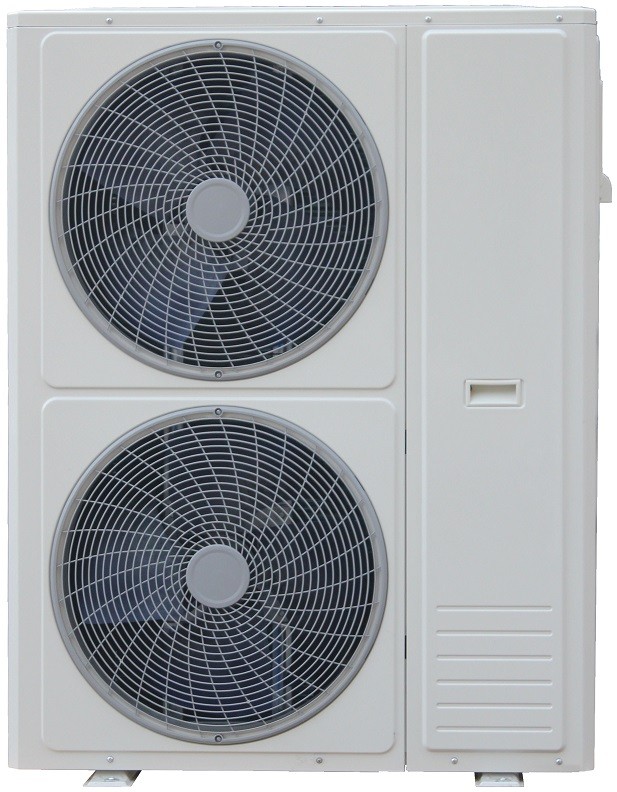
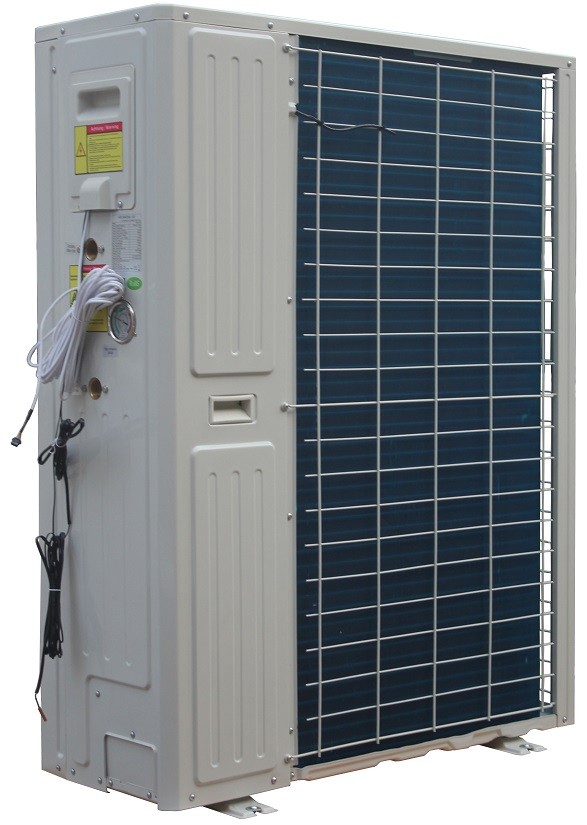
SHAW-15DM3/K — 15kW Economical DC Inverter Heat Pump
A long-life candidate for family homes and light commercial projects: DC inverter compressor, 58 dB(A) quiet operation and 60°C maximum water temperature.
- Heating capacity8.9-15.2 kW
- COPup to 4.43
- Max. water temp.60°C
- Noise58 dB(A)
- Power supply380V/3PH
- Net weight124 kg
Maintenance schedules that add years
Maintenance is where lifespan is actually earned. The schedule below is what Suoher's service engineers recommend for air-to-water residential and light commercial units in European climates — adjust the professional service timing to your local season, but do not skip the annual visit.
| Interval | Task | Who | Why it matters |
|---|---|---|---|
| Monthly (heating season) | Visual check of outdoor unit: clear leaves, snow, debris; confirm condensate drains freely | Owner | Blocked airflow forces high-pressure operation and freezes coils |
| Quarterly | Clean or replace filters; check system water pressure (typically 1-2 bar) | Owner | Dirty filters cut airflow; low pressure invites air ingress and corrosion |
| Every 6 months | Check glycol concentration (if used); inspect pipework insulation | Owner / installer | Degraded glycol loses freeze protection and attacks seals |
| Annually | Professional service: coil cleaning, refrigerant pressures, electrical torque check, expansion vessel, anode check on DHW tanks | Technician | Catches the small degradations before they become compressor failures |
| Every 2-3 years | Water-side chemistry check; clean plate heat exchanger if ΔT has drifted | Technician | Fouled plates raise running cost long before they raise alarms |
For tank-based domestic hot water units, add an annual anode rod inspection — a sacrificial anode costs a fraction of a replacement tank, as we noted in our guide to heat pump water heaters versus electric and gas systems. Winter-specific care, from defrost behavior to snow clearances, is covered in our cold-season maintenance article.
Repair or replace decision
At some point every owner faces the fork in the road. The industry rule of thumb is the 50% rule: if a repair costs more than half the price of a new installed unit, and the machine is past the midpoint of its expected life, replacement usually wins. But the rule needs texture.
- Compressor failure on a 12+ year unit: replace. A new compressor plus refrigerant recovery and brazing labor often reaches 30-50% of new unit cost, and the remaining heat exchangers and electronics are already aged.
- Compressor failure on a 6-year unit: repair, and use the warranty. This is exactly the scenario compressor coverage exists for.
- Fan motor, sensor, EEV or board failure: repair at almost any age. These are consumable-grade components and a healthy compressor is the expensive part worth keeping.
- Refrigerant leak on a welded circuit: repair if it can be located; consider replacement if the unit uses R22 or another legacy refrigerant, since retired refrigerants make the economics ugly.
- Rising bills with no fault codes: measure first. A COP that has drifted 20% below nameplate on an old unit is an economic argument for replacement even though the machine "still works".
One more factor tilts the scales toward replacement in 2026-2027: the F-Gas transition. Replacing an aged R410A or R32 unit with a modern R290-ready machine both future-proofs the refrigerant supply and typically adds efficiency, which shortens payback. We compared the two refrigerants in detail in our R32 vs R290 buyer's guide.
Featured Product
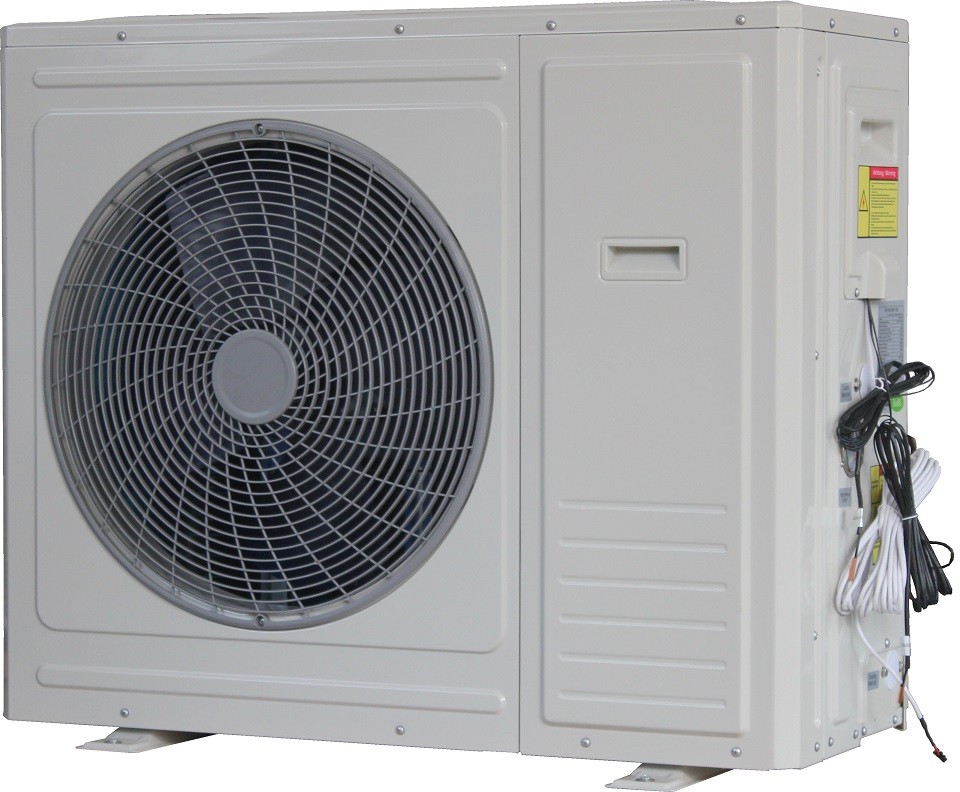
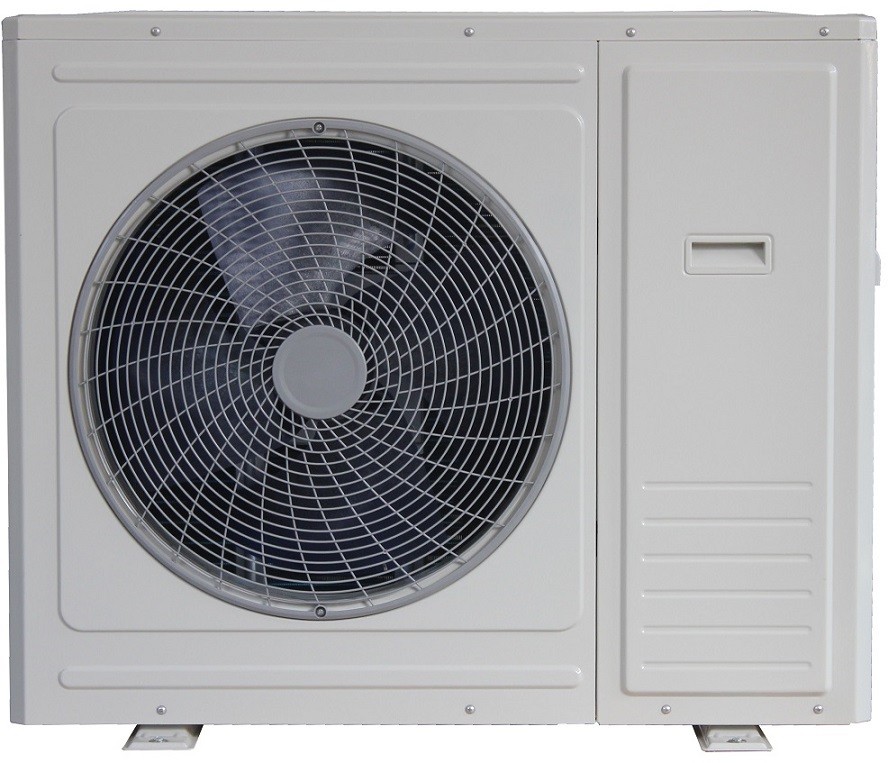
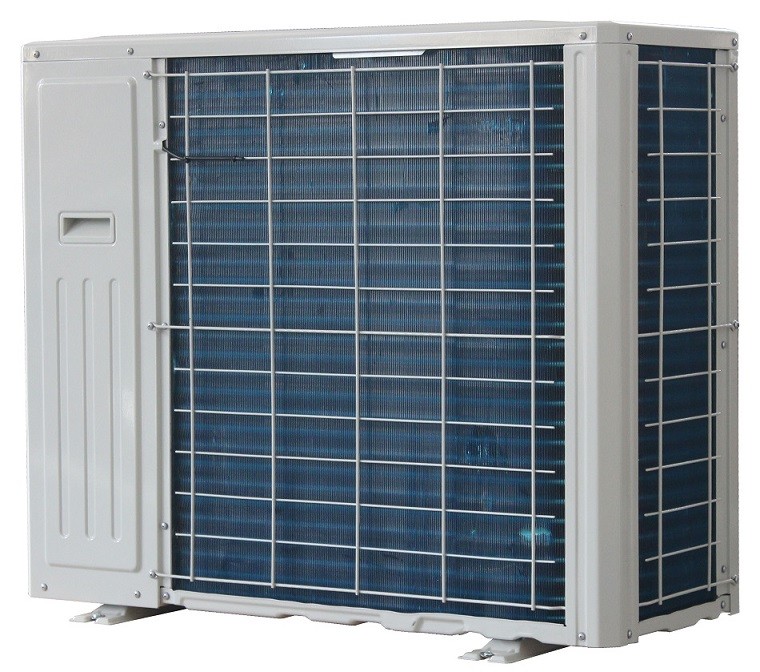
SHAW-9DM1/K — Economical DC Inverter Heat Pump
The value option of Suoher's K-series: DC inverter modulation for low start-stop wear, backed by factory-direct parts supply for years after installation.
- Heating capacity5.1-8.9 kW
- COPup to 4.49
- Max water temp.60°C
- Cooling capacity5.9 kW
- Power supply220V/1PH
- Net weight90 kg
Plan for 15+ Years: Get Suoher's Lifetime Cost Worksheet
A heat pump's real price is purchase price plus fifteen years of electricity, service and repairs. If you are comparing suppliers for a residential project, a hotel retrofit or a distribution line, ask us for Suoher's lifetime cost worksheet — it models energy spend, maintenance intervals and warranty coverage for the exact model and climate zone you are targeting. Browse the full Suoher heat pump range, or send us your project parameters and our engineers will return a sizing and lifespan projection you can put in front of your client. The cheapest heat pump is the one you only buy once.