Heat Pump Water Heater vs Electric vs Gas: Cost, Efficiency and Payback
- Share
- publisher
- Suoher Heat Pump Team
- Issue Time
- Aug 24,2026
Summary
Compare heat pump water heaters with electric resistance and gas units on efficiency (UEF/COP), upfront cost, annual running cost, and payback period. Includes 2026 US and EU incentive updates.
How Each Water Heater Type Works
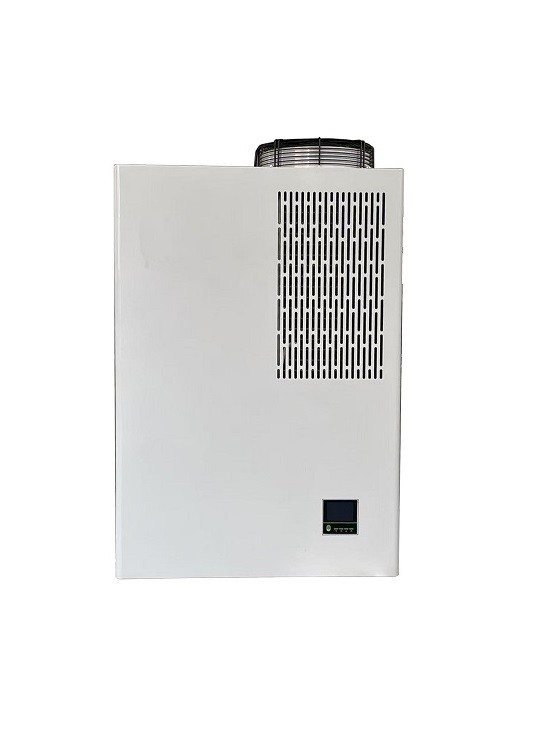
Before comparing running costs, it helps to understand how each technology actually delivers hot water. The three dominant types for residential and light-commercial use are electric resistance, gas, and heat pump water heaters (HPWH). Suoher manufactures DC inverter heat pump water heaters that pull ambient heat from the air rather than generating heat directly, which is the key to their superior efficiency.
Electric Resistance
An electric resistance water heater works like a giant kettle: current passes through metal heating elements, converting electrical energy directly into heat. It is simple, reliable, and cheap to buy, but every unit of electricity yields only about one unit of heat. That 1:1 ratio means high operating costs wherever electricity prices are steep.
Gas
Natural-gas or propane heaters burn fuel in a combustion chamber and transfer the heat to a storage tank. They can deliver hot water quickly and are often cheaper to run than electric resistance in regions with low gas prices. However, they produce carbon emissions on-site, require venting, and are facing regulatory restrictions in many EU markets and US states such as California and New York.
Heat Pump Water Heater (Air-to-Water)
A heat pump water heater does not create heat; it moves it. Using refrigerant compression and expansion, the unit extracts thermal energy from the surrounding air and transfers it into the water tank. Because it is moving heat rather than generating it, the coefficient of performance (COP) can reach 3.5–4.5, meaning you get 3.5 to 4.5 units of heat for every unit of electricity consumed. Suoher's DC inverter heat pump water heaters use variable-speed compressors to match output to demand, improving part-load efficiency and reducing noise.
All-in-one hot water heater design integrates the heat pump and tank in a compact cabinet.
Efficiency Comparison: UEF, COP, and EF
Efficiency labels differ by region, but the underlying physics is the same. In the United States, the Uniform Energy Factor (UEF) replaced the older Energy Factor (EF) in 2017. Most heat pump water heaters score between 3.0 and 4.0 UEF, while electric resistance units sit around 0.90–0.95 UEF and gas units range from 0.60 to 0.80 UEF. At the Suoher factory, we validate COP under EN 14511 test conditions to ensure consistent performance across climate zones.
| Water Heater Type | Typical UEF / COP | Efficiency vs Electric Resistance |
|---|---|---|
| Electric Resistance | 0.90–0.95 UEF | Baseline (100%) |
| Gas (Standard) | 0.60–0.70 UEF | Lower (65–75%) |
| Gas (Condensing) | 0.80–0.95 UEF | Similar to electric |
| Heat Pump Water Heater | 3.0–4.5 COP | 300–450% more efficient |
Annual Running Cost Comparison
For a 4-person household using roughly 240 litres of hot water per day, the annual energy consumption varies dramatically by technology. The following estimates are based on US DOE national averages and EN 16147 European test data. Actual bills depend on local tariffs, inlet water temperature, and set-point temperature.
Example: 4-Person Household
| Type | Annual Energy Use | US Cost (~$0.14/kWh) | EU Cost (~€0.25/kWh) |
|---|---|---|---|
| Electric Resistance | ~4,500 kWh | ~$630 | ~€1,125 |
| Gas (Natural) | ~180 therms | ~$360 | ~€540 |
| Heat Pump Water Heater | ~1,100 kWh | ~$154 | ~€275 |
US vs EU Energy Prices
US residential electricity averaged roughly $0.14–$0.17 per kWh in 2025, with wide state-level variation from $0.10 in Idaho to $0.32 in Hawaii. In the EU, average household electricity prices exceeded €0.25 per kWh in 2024, driven by carbon pricing and grid fees. Because a heat pump water heater uses only one-quarter to one-third of the electricity of a resistance unit, the absolute savings are larger in high-price markets. A German household switching from electric resistance to an HPWH can save €800–€1,000 per year on the water-heating portion of the bill alone.
Upfront Cost and Installation
Purchase prices vary by region, but general 2026 ranges are:
- Electric resistance: $300–$700 for a 50-gallon tank.
- Gas (storage): $500–$1,200 depending on venting and capacity.
- Heat pump water heater: $1,200–$2,500 for a quality unit with DC inverter technology.
Installation of an HPWH may require a larger electrical circuit (220 V), adequate clearance for airflow, and sometimes a condensate drain. However, many modern all-in-one units, such as Suoher's wall-mounted designs, reduce footprint requirements and can be installed in utility rooms or garages where space is limited.
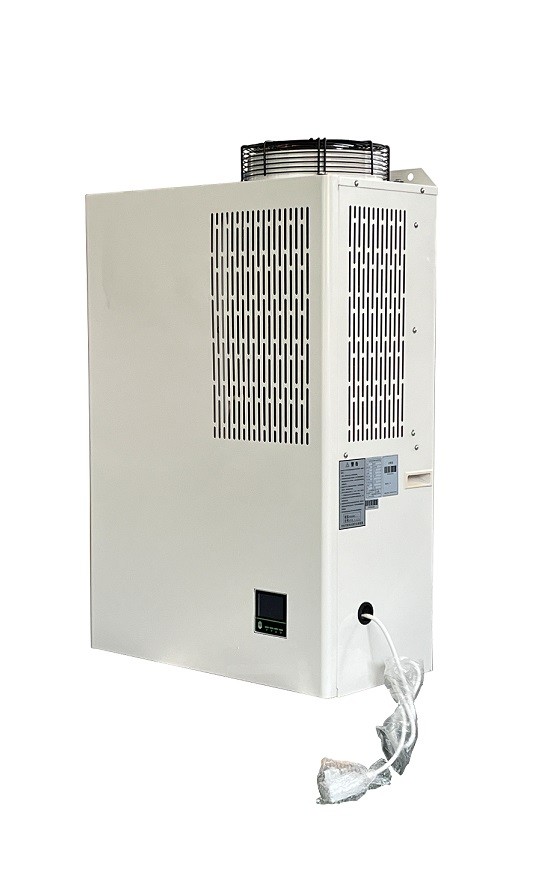
Wall-mounted heat pump water heater saves floor space and simplifies installation in tight utility rooms.
Payback Period Analysis
The payback period depends on the delta between the HPWH purchase price and the alternative, minus any rebates, divided by annual energy savings. In the US, replacing an old electric resistance unit with a mid-tier HPWH often yields a payback of 2–4 years. Replacing a relatively new gas unit may stretch the payback to 4–6 years unless gas prices rise or carbon taxes are introduced.
In the EU, where electricity prices are higher but so are the efficiency gaps, payback can be as short as 18–30 months for households switching from direct electric heating. Suoher's DC inverter models further shorten payback by optimising compressor speed across seasons, maintaining high COP even when ambient temperatures drop in winter.
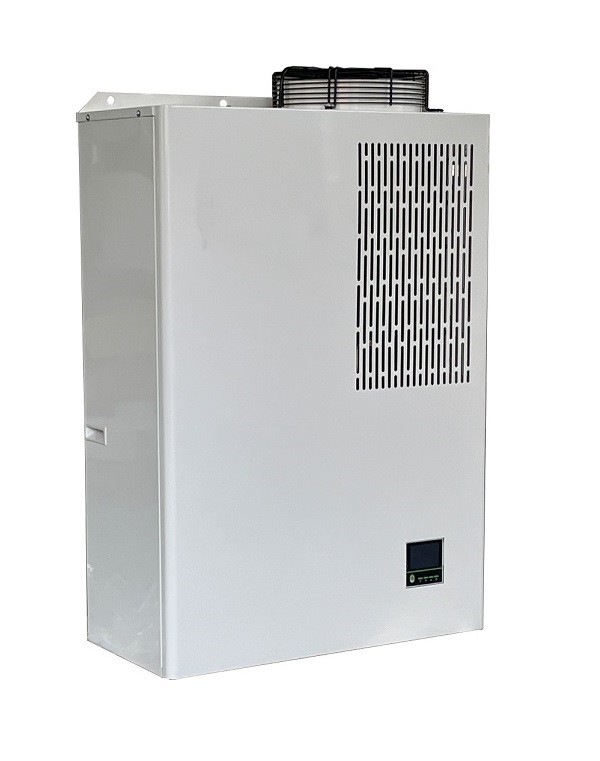
Wall Mounted All-in-One Heat Pump Water Heater
Model: SHWW-15T060
- COP up to 3.75
- Heating capacity: 1.5 kW
- Max water temperature: 80 °C (rated 75 °C)
- 220 V power supply, wall-mounted design
- WiFi enabled, GMCC compressor
Compact wall-mounted unit ideal for apartments and small households seeking high-efficiency hot water with minimal floor space.
View ProductIncentives in 2026
Government incentives can cut the net upfront cost by 30–50%, making HPWHs the cheapest option on a total-cost-of-ownership basis from day one.
US HEEHR/HEAR Rebates (Up to $1,750)
The High-Efficiency Electric Home Rebate Act (HEEHRA) and Home Electrification and Appliance Rebates (HEAR) provide point-of-sale rebates for qualified heat pump water heaters. In 2026, qualifying households can receive up to $1,750 for an ENERGY STAR-certified HPWH. Note that the federal 25C and 25D tax credits expired on December 31, 2025; buyers should rely on HEEHR/HEAR and state-level programmes rather than the expired federal tax credits.
State and Utility Rebates
States such as California, New York, and Massachusetts offer additional incentives ranging from $500 to $1,000. Major utilities including Con Edison, PG&E, and Southern California Edison run their own rebate programmes, often stacking with federal funds. Always check the Database of State Incentives for Renewables & Efficiency (DSIRE) for the latest local offers.
EU National Subsidies
Under the REPowerEU plan and national building renovation strategies, several EU member states subsidise heat pump water heaters at 30–50% of equipment cost. Germany's BAFA programme, France's MaPrimeRénov', and Italy's Superbonus 110% (now scaled back but still active for some income brackets) all cover HPWH installations. EHPA reports that heat pump water heater sales in Europe grew 23% year-over-year in 2024, partly driven by these subsidies.
Choosing a Heat Pump Water Heater: Key Specs
Not all heat pump water heaters perform equally. When evaluating models for a residential or small commercial project, focus on the following parameters:
COP, Tank Size, Refrigerant, and Noise
- COP: Look for a rated COP above 3.5 at A7/W35 conditions (air 7 °C, water 35 °C). Suoher's DC inverter models maintain COP above 3.0 even at lower ambient temperatures because the variable-speed compressor avoids the on-off losses of fixed-speed units.
- Tank size: A 4-person household typically needs 200–300 litres. Larger households or B&B operators should consider 500-litre tanks or multiple units in cascade.
- Refrigerant: R32 and R290 are the dominant low-GWP refrigerants in 2026. R32 offers a good balance of efficiency and safety (A2L), while R290 (propane) delivers even higher performance but requires additional safety considerations. Suoher offers both R32 and R290 options across its heat pump water heater range.
- Noise: Check the sound power level in dB(A). DC inverter compressors run at lower speeds for much of the day, reducing noise compared with fixed-speed units that cycle between full blast and silence.
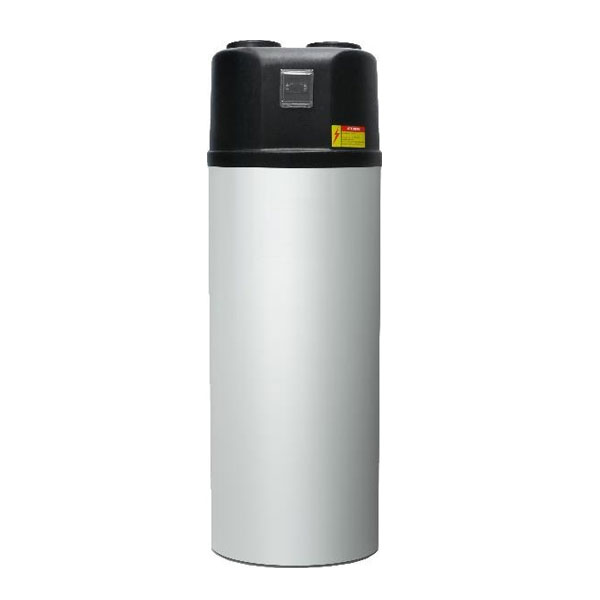
500L Heat Pump Water Heater
Model: SHWW-3T500
- COP up to 3.85
- Heating capacity: 3.5 kW
- 500 L stainless-steel 304 tank
- 220 V power supply, colour-coated board shell
- R134a refrigerant, built-in circulation pump
Large-capacity heat pump water heater built for guesthouses, small hotels, and multi-family buildings. Factory-direct pricing with OEM/ODM options.
View ProductSlash Your Water Heating Bill: Request a Suoher HPWH Quote
Heat pump water heaters are no longer a niche product for eco-conscious early adopters. In 2026, with federal and state incentives at historic levels, electricity prices rising in most markets, and technology costs declining, the HPWH is the rational default for any new build or replacement project.
Suoher's heat pump water heater lineup spans compact 150-litre wall-mounted units for apartments up to 500-litre commercial tanks for hospitality projects. Every unit is engineered with DC inverter technology, tested under EN 14511 conditions, and backed by our factory in Foshan, China. Whether you are a wholesaler looking to expand your catalogue, an installer seeking reliable OEM supply, or a property manager evaluating total cost of ownership, our engineering team can recommend the right capacity, refrigerant, and control package for your climate and application.
Contact Suoher for a tailored quote, specification sheet, or OEM pricing. We ship globally and offer white-label packaging for volume partners.