Heat Pump Incentives in 2026: Rebates and Subsidies in the US, UK and EU
- Share
- publisher
- Suoher Heat Pump Team
- Issue Time
- Sep 8,2026
Summary
A 2026 guide to heat pump grants and rebates in the US, UK, Germany, France, Netherlands, Italy and Poland: eligibility, amounts, official sources and a practical claim checklist for homeowners, installers and distributors.
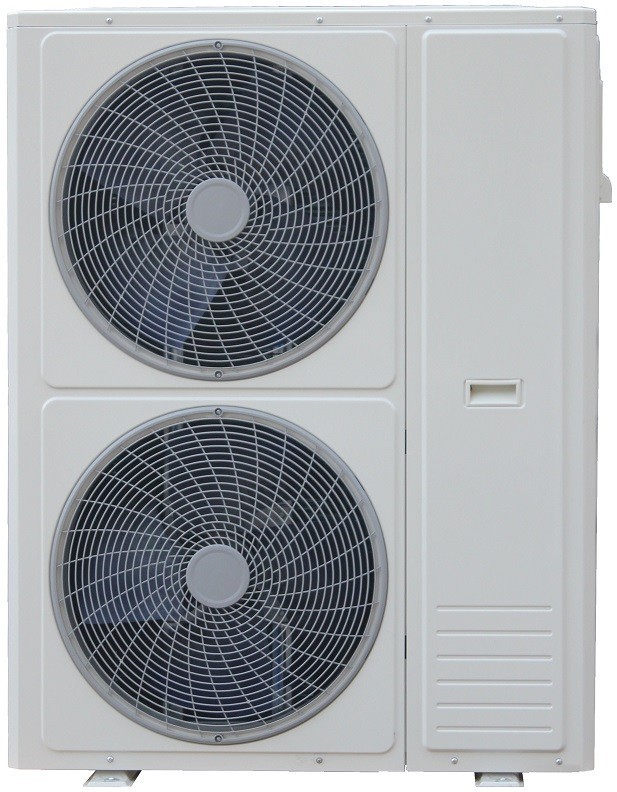
If you are a homeowner, installer or distributor deciding on a heat pump in 2026, the purchase price is only half the story. Across the United States, the United Kingdom and the European Union, governments are running rebate and subsidy schemes that can cut the installed cost by 30% to 70%. This guide maps the major heat pump grants in 2026, explains who qualifies, and shows how to match a system to the rules in your market.
The Suoher SHAW-15DM3/K 15kW DC inverter heat pump falls into the residential capacity band covered by most US, UK and EU grant programs.
1. 2026: A policy reset year
2026 is the first full year in which several post-2020 clean-heating programs are operating at scale, while older tax credits and bonus rates have been restructured. Buyers who still use 2023-2024 spreadsheets are likely to miss new caps, income tests or technology lists.
US federal credits reshaped by the Inflation Reduction Act
The 25C energy-efficiency tax credit was revived and extended by the Inflation Reduction Act. For tax year 2026 it continues at 30% of project cost, with an annual cap of $3,200 total and up to $2,000 for a qualifying heat pump. The credit is non-refundable but can be carried forward. Crucially, it now applies to the heat pump itself, air-sealing, electrical panel upgrades and related improvements in the same year, so planning the whole job together maximizes the benefit.
EU national schemes recalibrated
In Europe, the REPowerEU target of 10 million additional heat pumps by 2027 has pushed member states to front-load national subsidies. At the same time, the F-Gas Regulation (EU) 2024/573 is banning high-GWP refrigerants such as R32 in new monobloc heat pumps from January 2027. The practical effect is that 2026 grants increasingly favor R290 or other low-GWP systems. When you apply, check whether the scheme lists a maximum GWP or refrigerant type as an eligibility condition.
2. United States: IRA rebates and state programs
The US market is a mix of federal tax credits, federal point-of-sale rebates administered by states, and utility rebates. Total stacking can exceed $15,000 for low- and moderate-income households.
25C tax credit
- Benefit: 30% of cost, up to $2,000 for an eligible heat pump.
- Annual cap: $3,200 total when combined with other efficiency measures.
- Eligibility: Heat pump must meet CEE or ENERGY STAR cold-climate criteria in many northern states; check the IRS/ENERGY STAR product list.
- Official source: IRS.gov and ENERGY STAR.
HEEHRA / HEAR rebates
The Home Electrification and Appliance Rebate (HEAR) program, funded by the Inflation Reduction Act, offers point-of-sale rebates for households below 150% of area median income:
- Heat pump for space heating: up to $8,000.
- Heat pump water heater: up to $1,750.
- Electrical panel upgrade: up to $4,000 if required by the heat pump.
- Official source: DOE Home Energy Rebates portal.
HOMES performance rebates
The Home Owner Managing Energy Savings (HOMES) program pays for modeled or measured energy savings. A whole-home retrofit that cuts energy use by 35% or more can qualify for up to $8,000. Because a heat pump is usually the largest load-shifting measure in a retrofit, it is the natural anchor for a HOMES application.
State utility programs
Many utilities add $1,000-$6,000 on top of federal incentives. Massachusetts, New York, California and Vermont are among the states with the deepest stacks. Always run the project past both the state energy office and the local utility before finalizing equipment, because some programs require pre-approval and a participating contractor.
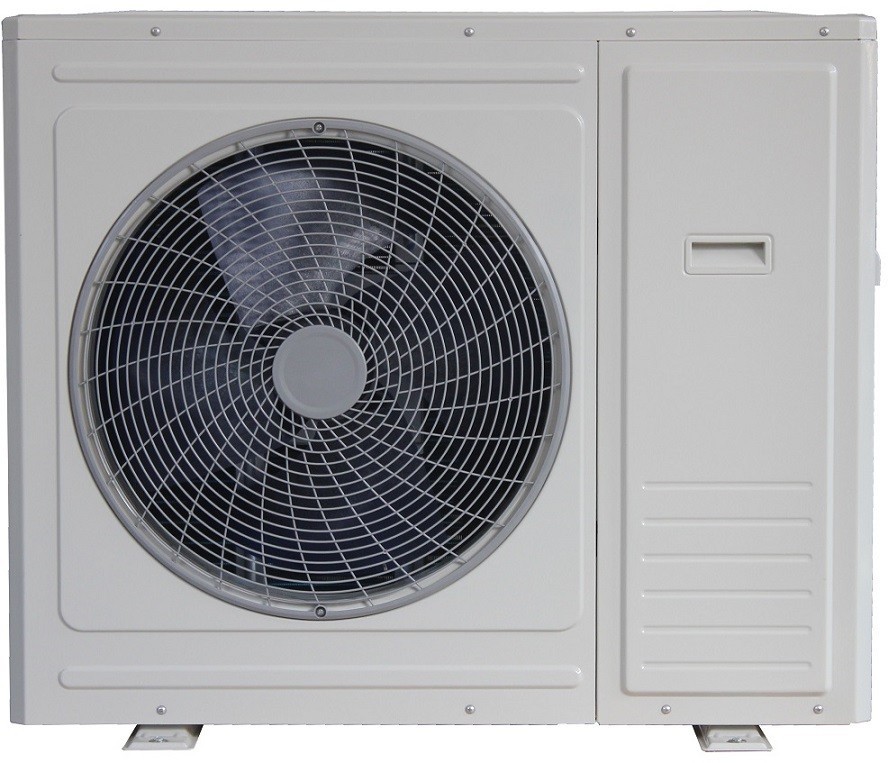
The Suoher SHAW-9DM1/K is a 220V single-phase unit that fits the residential grant bands common in US, UK and EU subsidy schemes.
3. United Kingdom: Boiler Upgrade Scheme
The UK is using the Boiler Upgrade Scheme (BUS) to accelerate the replacement of fossil-fuel boilers. For installers and homeowners, the headline number is straightforward.
Boiler Upgrade Scheme (BUS) £7,500
- Grant: £7,500 toward an air-source or ground-source heat pump.
- Eligibility: The property must have a valid EPC with no outstanding loft or cavity-wall insulation recommendations, and the installation must replace a fossil-fuel or direct-electric heating system.
- Capacity: No fixed cap, but the system must be sized to meet heat demand; oversizing can lead to rejection.
- Official source: Ofgem BUS guidance.
MCS certification requirement
The product and the installer must both be MCS certified. For importers, this means selecting models that already hold MCS certification or that can be tested and registered quickly. Suoher's monobloc ranges are engineered with MCS-relevant documentation packs, including EN 14511 and EN 14825 test reports, to shorten the certification path for distributors.
4. Germany: BAFA BEG subsidies
Germany's Bundesförderung für effiziente Gebäude (BEG) remains the deepest single subsidy in Europe for individual homeowners. The scheme is administered by BAFA.
BEG: 30% base plus bonuses
- Base rate: 30% of eligible costs for a heat pump replacing a fossil-fuel system.
- Bonuses: Additional percentage points for replacing oil or gas, replacing an old heat pump, early replacement, and use of renewable power or heat pump optimization.
- Maximum: Up to 70% in favorable combinations, subject to per-measure caps.
- Official source: BAFA (Bundesamt für Wirtschaft und Ausfuhrkontrolle).
The BEG application is submitted after installation but before commissioning in most cases. Distributors should make sure end users receive an invoice that separates product cost, installation and eligible ancillary work, because BAFA reimburses against documented eligible expenditure.
5. France: MaPrimeRénov'
MaPrimeRénov' is an income-tested program administered by ANAH. For heat pumps, the grant band depends on household income relative to the local median and the type of work.
Income-based grants of €2,400 to €8,400
- Very modest households: up to €8,400 for an air-to-water heat pump.
- Modest households: typically €4,000-€6,000.
- Above-threshold households: lower rates, but often still meaningful when combined with CEE (energy-efficiency certificates) bonuses.
- Official source: ANAH / France Rénov.
Heat pump models must be listed in the French eligibility database, and installation must be carried out by a Recognized Guarantor of the Environment (RGE) professional. For importers, the RGE requirement is a strong reason to partner with local installers rather than sell directly to homeowners.
6. Netherlands, Italy and Poland
Beyond the big three markets, several national schemes are worth tracking for distributors with multi-country portfolios.
Netherlands: ISDE
The Investment Subsidy for Sustainable Energy (ISDE) provides fixed amounts per kilowatt of capacity for air-to-water heat pumps. Typical 2026 values are in the range of €1,875 to €3,000 for a residential unit, depending on capacity and efficiency class. Hybrid heat pumps receive a separate, lower rate. Applications are submitted online through RVO after installation.
Italy: Conto Termico 3.0
Conto Termico supports small-scale renewable heat. Heat pumps can qualify if they meet minimum efficiency thresholds. The incentive is usually paid over five years as a fixed amount per saved toe (tonne of oil equivalent). Capacity limits and eligibility lists are updated by GSE, so checking the latest decree before quoting is essential.
Poland and other CEE markets
Poland's Clean Air (Czyste Powietrze) program and related municipal grants support heat pumps replacing coal or old oil boilers. Grants are means-tested and can cover 30%-90% of costs depending on location and income. Other Central and Eastern European countries are rolling out EU Recovery and Resilience Facility-funded programs, often with deadlines in 2026-2027.
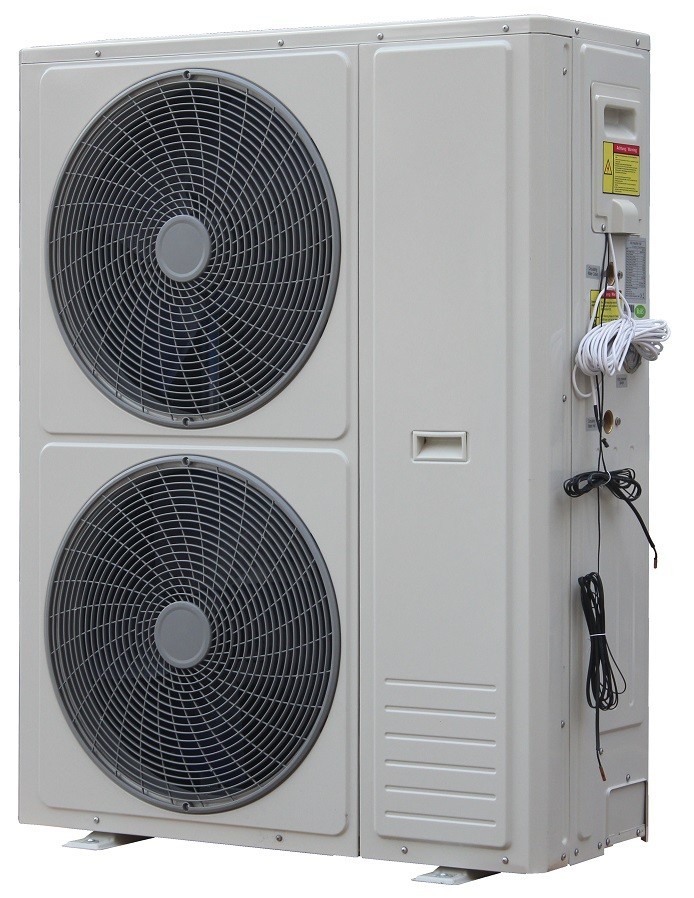
A 380V three-phase residential heat pump that covers the 8.9-15.2 kW capacity band most often referenced by EU and US grant ceilings.
7. How to claim: a practical checklist
Grants look generous on paper, but a small paperwork error can void the payment. Here is the workflow Suoher recommends to its distributor partners.
- Confirm eligibility before sale. Check household income, property EPC/energy label, existing heating fuel, and refrigerant rules.
- Size the heat pump correctly. Oversized or undersized systems are a common reason for grant rejection. Use heat-loss calculation software or EN 12831/Manual J methods.
- Verify product certification. Confirm the model has the right CE, ErP, MCS, Keymark or local labels for the target country.
- Use a qualified installer. Many schemes require MCS, RGE, F-gas-certified or locally registered installers.
- Keep itemized invoices. Separately list equipment, labor, electrical upgrades and ancillary materials.
- Submit promptly. Some programs operate on a first-come, first-served budget or have quarterly windows.
Disclaimer: Subsidy rules change frequently and may differ by region or income band. Always verify the latest terms with the official source before quoting or installing.
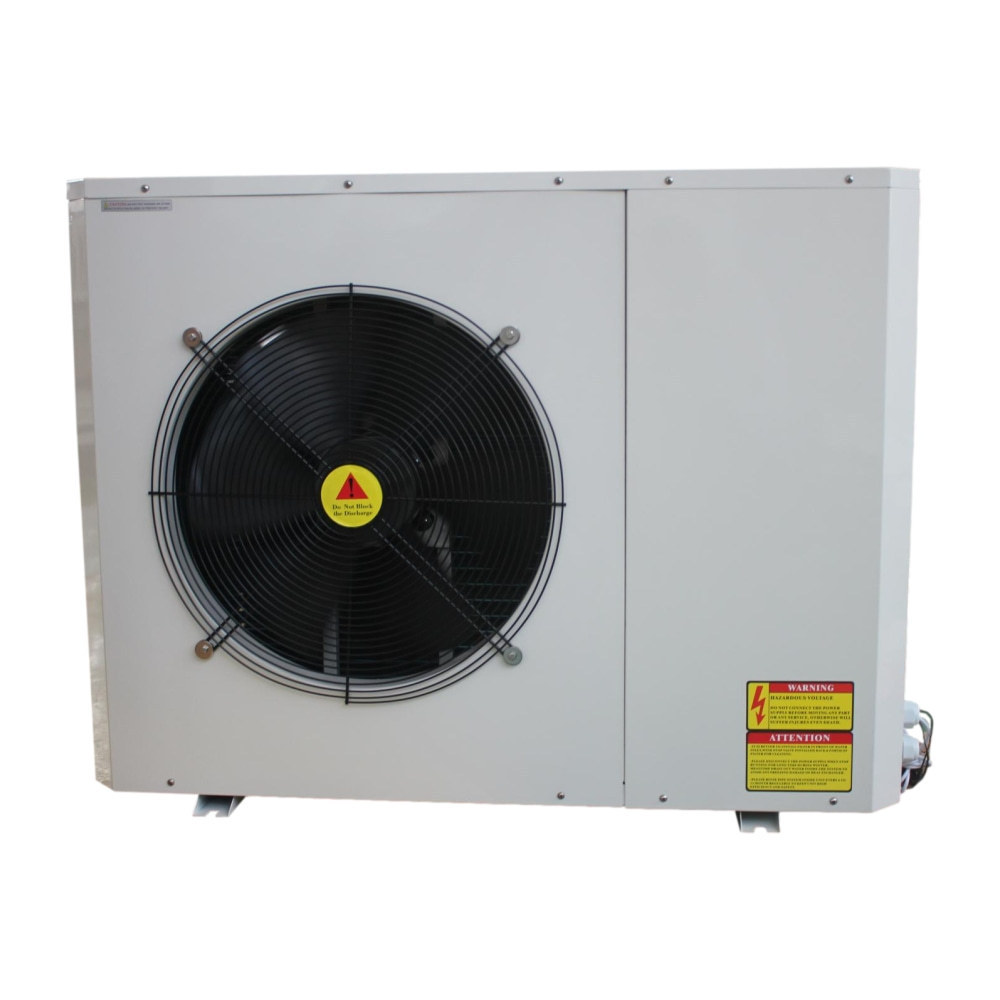
Cold-climate EVI monobloc with vapor injection. Ideal for northern EU, UK and US markets where grant schemes reward high SCOP and low-GWP refrigerants.
Claim Your 2026 Heat Pump Grant: Match a Suoher Model to Your Market
Heat pump grants in 2026 are substantial, but the best results come from matching the right product to the right scheme. A 15 kW DC inverter unit such as the Suoher SHAW-15DM3/K aligns with the residential capacity bands used by most US, UK and EU subsidies, while the SHAW-12EVIM EVI monobloc targets cold-climate grants that reward efficiency and low-GWP design.
For distributors and installers, the opportunity is to bundle equipment, sizing support and documentation into a grant-ready package. Contact the Suoher export team to request model-level certificates, test reports and lead-time schedules tailored to your target subsidy programs.